

Review · CANADA
Grosse-Île: Irish Immigrant Memorial Cruise & Tour
Grosse-Île is not just a pleasant boat trip. It is a former quarantine island where immigrants arriving in Canada were inspected, treated, and sometimes buried. The combination of a St. Lawrence River cruise and a guided visit makes the island’s story easier to understand, because you approach it by the same broad waterway that carried so many newcomers.
I like the personal touch from Captain Lachance, who explains the river and his connection to the island. I also like the Parks Canada tour, especially the costumed characters and the chance to search memorial records for family names. The main drawback is getting to the marina: parking can be difficult, traffic can be heavy, and a taxi may cost more than expected.
Key points
- A six-hour trip from river to quarantine station: The boat ride gives you context before you set foot on the island.
- Captain Lachance adds local insight: His English explanations and personal connection make the journey feel more than a simple transfer.
- Parks Canada guides lead the island visit: Expect preserved buildings, exhibits, stories, and stops connected to immigrant arrivals.
- Costumed characters make the past easier to picture: Their performances add a human side to the island’s institutional history.
- Bring lunch and a credit card: Food is not included, there is no restaurant on Grosse-Île, and cash is not accepted aboard.
- Plan carefully for arrival: Parking is limited, traffic may be heavy, and the tour is not suitable for wheelchair users according to the activity information.
Why Grosse-Île matters before you even arrive
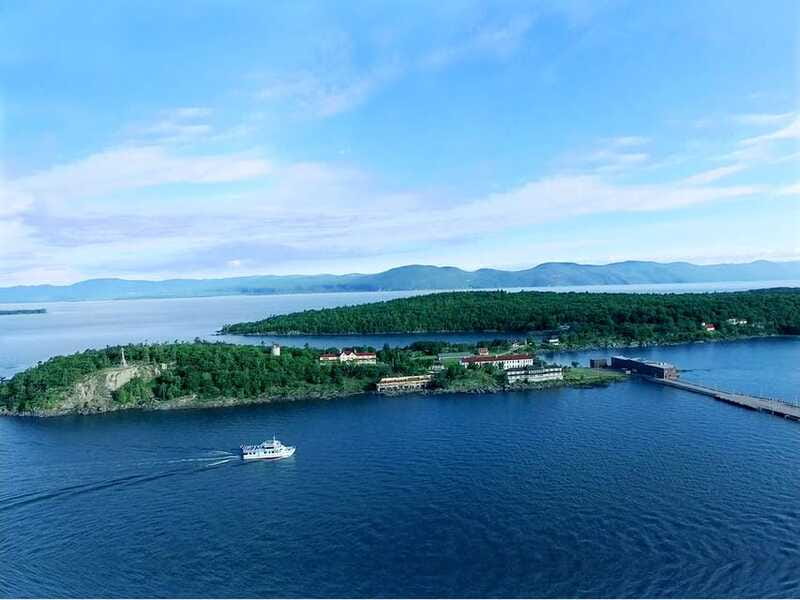
Grosse-Île served as an immigration and quarantine station from 1832 to 1937. That period covers some of the most difficult years of transatlantic migration, including the arrival of Irish immigrants fleeing the potato famine.
The island was a place of hope, but also fear. New arrivals had to pass through medical checks before continuing into Canada. Some were held for treatment or observation. Others never left the island.
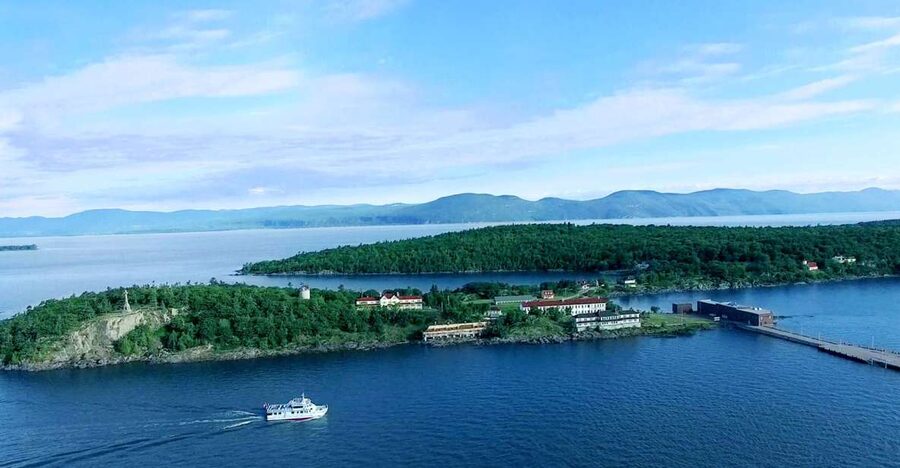
That history gives the excursion a serious tone. You will see attractive river scenery and wooded island paths, but the visit is not simply a scenic outing. The preserved buildings, memorials, and stories ask you to think about what it meant to arrive in a new country with little control over what happened next.
I find the approach by boat especially fitting. The St. Lawrence was the route into Canada for countless immigrants, so the cruise does more than fill time before the tour. It helps you picture the scale of the journey and the uncertainty of reaching the quarantine station.
More boat trips around Canada:
- Niagara Falls: Premium Tour, Boat & Journey Behind the Falls
★ 4.8 · 4,207 reviews - Toronto: Niagara Falls Day Tour with Optional Boat Cruise
★ 4.6 · 3,178 reviews - Best of Niagara Falls Canada Premium Tour: Behind Falls and Boat
★ 5.0 · 3,139 reviews
The St. Lawrence cruise sets the scene
The trip begins with a cruise toward Grosse-Île. You can sit back, watch the shoreline and water, and listen as the captain explains the area’s history.
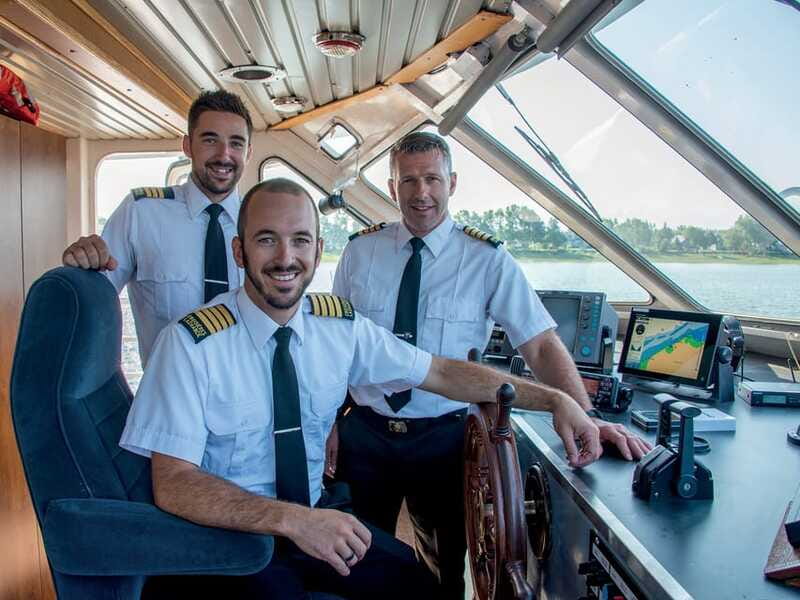
Captain Lachance is one of the memorable parts of this experience. He takes time to explain the trip in English when needed, and his personal link to Grosse-Île gives the commentary a warm, local quality. You may also hear about the island’s role in immigration and the wider history of the region.
The boat used on at least one recent trip was the Lachance III. The captain even brought passengers into the wheelhouse for explanations during the ride. That detail may depend on the day and operating conditions, but it shows the kind of direct contact that can make the cruise more interesting than a standard ferry crossing.
The river can be exposed to changing weather. Rain does not automatically cancel the cruise unless conditions create a safety concern, and the boat has an enclosed area. Still, pack a light rain layer and do not assume the whole trip will be spent outside.
The departure time can change toward the end of August and may vary with tides and weather. Check the time close to your visit, especially if you are arranging transport or connecting it with another activity in Quebec.
Stepping onto a former quarantine station
Once you reach Grosse-Île, Parks Canada guides take over the island portion of the day. This is where the tour becomes much more than a scenic stop.
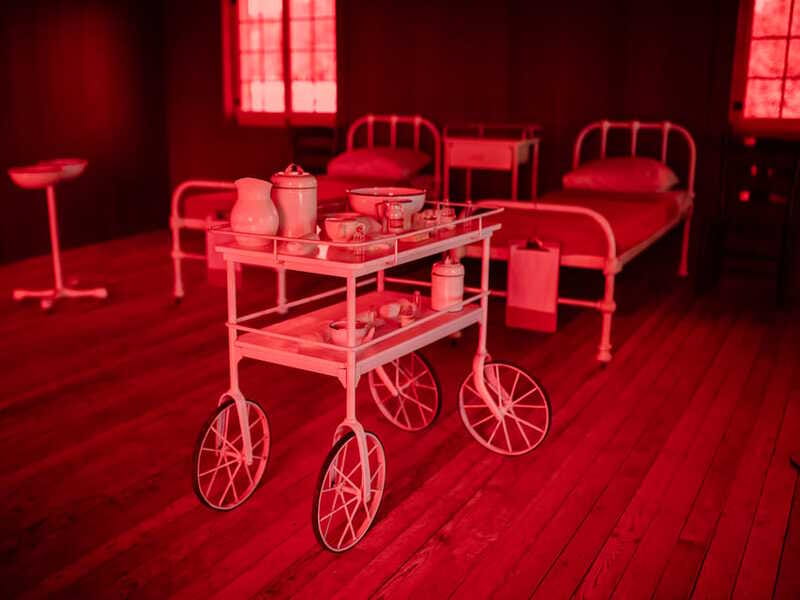
You will visit preserved buildings and areas connected to the quarantine station. The guides explain how immigrant clothing was disinfected, how the station operated, and what life was like for people waiting to be cleared for entry.
Those details matter because quarantine can sound like an abstract policy. On Grosse-Île, it becomes practical and personal. You begin to see how a medical inspection affected families, employees, and the wider flow of people into Canada.
The guides also explain who worked at the station. That widens the story beyond the immigrants themselves. You learn about the staff who carried out inspections and cared for people, as well as the rules and systems that shaped each arrival.
The tour is carefully organized, with guided movement around the site and, at times, transport by trolley. One guide named Philippe received special praise for his work on the trolley, particularly for making the history clear and engaging.
A trolley can be useful because it reduces the amount of walking across the island. On the other hand, one visitor would have preferred more time on foot. If you enjoy wandering at your own pace, the guided structure may feel a little controlled.
Costumed characters put faces to the past

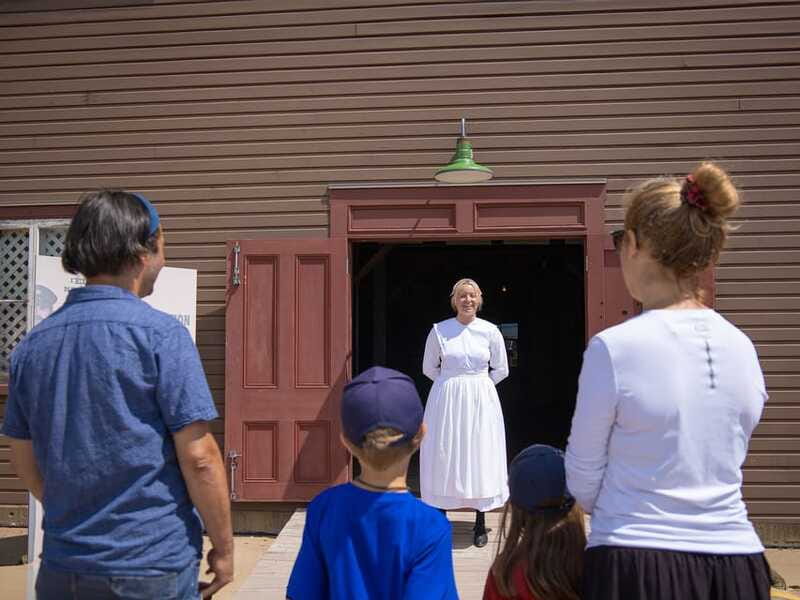
The costumed interpreters are one of the best features for families and for anyone who finds dates and buildings hard to connect with.
Instead of hearing only a formal explanation, you encounter characters who present the island’s stories from a period perspective. They help show how an arrival might have felt, what officials had to do, and how ordinary people were caught up in the quarantine process.
This style works well at Grosse-Île because the subject can be emotionally heavy. A character-based presentation gives the history a human voice without turning the visit into a dry museum lecture.
It also gives children something concrete to follow. Younger visitors may not remember every fact about immigration policy, but they are more likely to remember a person explaining the station’s work or describing the uncertainty faced by newcomers.
The tone is still respectful. This is a place connected to illness, separation, and death, so you should expect moments that are moving rather than light entertainment. One visitor described the island experience as particularly affecting because the guides recreated the conditions faced by immigrants.
Same coast, a different kind of boat:
- Québec City: Guided Sightseeing River Cruise
★ 4.4 · 3,000 reviews - Niagara Falls Canada Day Tour From Toronto + Boat Cruise Option
★ 5.0 · 2,576 reviews - Toronto: Harbor and Islands Sightseeing Cruise
★ 4.7 · 2,566 reviews - Niagara Falls from Toronto: Skip-the-Line Boat & Skylon Tower
★ 5.0 · 2,406 reviews
Finding family names among the memorials

If you have Irish ancestry, Grosse-Île can feel deeply personal. The island’s records and memorials may connect the broad history to your own family tree.
One especially meaningful feature is the chance to look through books and see names recorded on a glass memorial. A visitor found the name of a great-great-great-grandmother, Anne Derby, during the visit. You may not find your own family member, but the possibility adds purpose to the tour.
Do not treat this as a guaranteed genealogy search. The activity information does not promise a dedicated family-history service or a complete record search. Still, if your ancestors passed through the station, it is worth asking the guides what names and records are available during your visit.
Even without a family connection, the memorials help make the island’s story specific. Instead of thinking only about large numbers of immigrants, you see that each person had a name, a family, and a future they hoped to build.
Island scenery with a serious story underneath

Grosse-Île offers broad river views and natural scenery that give you room to pause between the historical stops.
The views are not a separate attraction tacked onto the tour. They help explain why the island was chosen for a quarantine station. Its position in the St. Lawrence made it a practical place to screen new arrivals before they reached Quebec and other settlements.
You can enjoy the quiet surroundings while keeping in mind what happened there. That contrast is part of the experience. The island may look peaceful now, but its preserved buildings and memorials point to years of hardship.
The schedule lasts about six hours, including the boat ride and guided island visit. That is a full half-day, so you will have time to absorb the story without rushing from one brief stop to another.
Bring a packed lunch. Food and drinks are not included, and there is no restaurant on the island. You should also bring a credit card, since cash is not accepted on board. These are small details, but forgetting lunch can make a long excursion feel longer.
What the $73 price buys you
At $73 per person, the price includes the river cruise, access to Grosse-Île, a guide, and the guided island tour.
I consider that a reasonable price for a six-hour outing, especially because the day combines transportation, interpretation, and admission to a historic site. You are not paying only for a boat ride. The main value comes from having the river journey and the island’s history explained in one package.
The price may be harder to justify for a large family. One family noted that the cost of ferry travel could become a major expense when multiplied across several children. At the current stated price, calculate the total before booking, particularly if everyone in your group is paying the full adult rate.
The experience is strongest for people who care about history, immigration, Irish ancestry, or Canadian heritage. If you want a short sightseeing cruise with little commentary, this may feel too long and serious. If you enjoy learning how a place shaped people’s lives, the six-hour format gives the subject proper time.
Getting to the marina without stress
The departure point requires planning. Parking can be difficult to find, and traffic can be heavy during the busiest months.
Arrive well before departure. Do not cut it close, especially if you are driving from Quebec City or relying on a taxi. One visitor found the taxi cost to the marina surprisingly high, even though the tour itself was reasonably priced.
Hotel pickup and drop-off are not included. You are responsible for reaching the marina, and this is the biggest practical weakness of the experience.
Keep your booking details handy and allow extra time for traffic and parking. The boat cannot wait for late arrivals, and a rushed start would take away from a day that works best when you have time to settle in.
The tour is offered in English and French. English-speaking visitors have received clear explanations from the captain and island guides, and a small English-speaking group may receive especially direct attention. The balance between languages can vary on the day.
Who should book this Grosse-Île tour?

I would choose this excursion if you are interested in Irish family history, Canadian immigration, public health history, or preserved historic sites.
It also suits families with older children who can handle a serious subject and a six-hour schedule. The costumed characters may help younger children stay engaged, while the river cruise and trolley add variety to the day.
You should think twice if anyone in your party has limited mobility. The official information says the tour is not suitable for wheelchair users, although staff have helped passengers using wheelchairs in the past. That mixed picture means you should confirm current arrangements before booking rather than assume assistance will be available.
This is also not the right pick if you need a flexible, self-guided outing. The day follows a set structure, and the island portion is led by guides. That is useful for understanding the site, but it leaves less time for exploring alone.
Should you book it?
Book this tour if you want history with a strong sense of place. The boat ride, Captain Lachance’s commentary, Parks Canada interpretation, costumed characters, and memorials work together to make Grosse-Île feel human and specific.
The most valuable moments may be quiet ones: hearing how clothing was disinfected, seeing the names on the memorial, or realizing that the river view in front of you was once the first sight of Canada for people arriving in distress.
Skip it if you are mainly looking for a casual cruise, if you dislike guided schedules, or if getting to the marina will be difficult. For everyone else, bring lunch, arrive early, check the weather and tide-related departure time, and give the island the attention it deserves.
FAQ
How long does the Grosse-Île cruise and tour last?
The full experience lasts about six hours.
What does the $73 price include?
The price includes the river cruise, access to Grosse-Île, a guide, and the guided tour of the island.
Is food included?
No. Food and drinks are not included, and there is no restaurant on the island. Bring a packed lunch.
Can I pay with cash on board?
No. Cash is not accepted on board, so bring a credit card.
Is the tour offered in English?
Yes. Live guides are available in English and French.
Does the boat operate in the rain?
Cruises are not canceled for rain unless the weather creates a danger to passenger safety. There is an enclosed area on the boat.
Can the departure time change?
Yes. Departure times may change toward the end of August and may vary with tides and weather. Check the current time before your visit.
Is hotel pickup included?
No. Hotel pickup and drop-off are not included. You must make your own way to the marina.
Is parking available at the meeting point?
Parking can be difficult to find, and traffic may be heavy during peak months. Arrive well in advance of departure.
Is the tour suitable for wheelchair users?
The activity information says it is not suitable for wheelchair users. If accessibility is important for your group, confirm the current arrangements before booking.
Just added on the water around Canada
- From Toronto: Niagara Falls + Winery, Cruise, & Lunch Option★ 4.6 · 1,027 reviews
- From Toronto: Niagara Falls Tour + Boat Ride and/or Journey★ 4.8 · 2,277 reviews
- Niagara Falls Tour: Boat Ride, Journey Behind Falls and more★ 4.9 · 277 reviews
- Banff: Lake Minnewanka Cruise★ 4.7 · 791 reviews
- Niagara Falls, ON: Jet Boat Tour on Niagara River★ 4.8 · 1,128 reviews
- Niagara Falls Canada Day Tour From Toronto + Boat Cruise Option★ 5.0 · 2,576 reviews
- Niagara Falls from Toronto: Skip-the-Line Boat & Skylon Tower★ 5.0 · 2,406 reviews
- Montreal: Le Bateau-Mouche St. Lawrence Sightseeing Cruise★ 4.0 · 1,792 reviews
Canada Boat Tours, side by side.

Niagara Falls: Premium Tour, Boat & Journey Behind the Falls
Read our review →
Toronto: Niagara Falls Day Tour with Optional Boat Cruise
Read our review →
Best of Niagara Falls Canada Premium Tour: Behind Falls and Boat
Read our review →

Niagara Falls Canada Day Tour From Toronto + Boat Cruise Option
Read our review →
Toronto: Harbor and Islands Sightseeing Cruise
Read our review →
Niagara Falls from Toronto: Skip-the-Line Boat & Skylon Tower
Read our review →
From Toronto: Niagara Falls Tour + Boat Ride and/or Journey
Read our review →Other lists this boat trip sits in