
Review · CHICAGO
Chicago Architecture Center River Cruise aboard First Lady
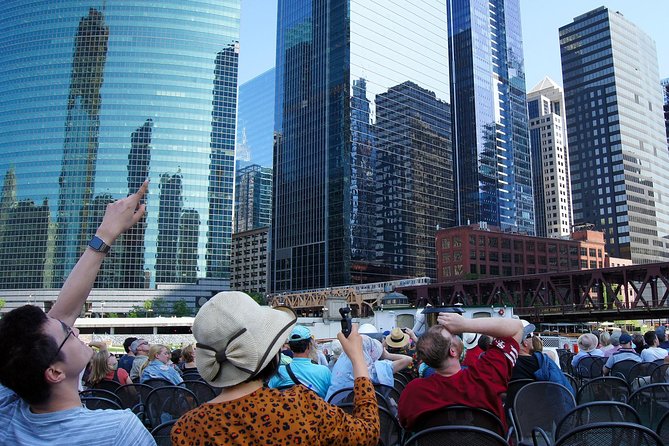
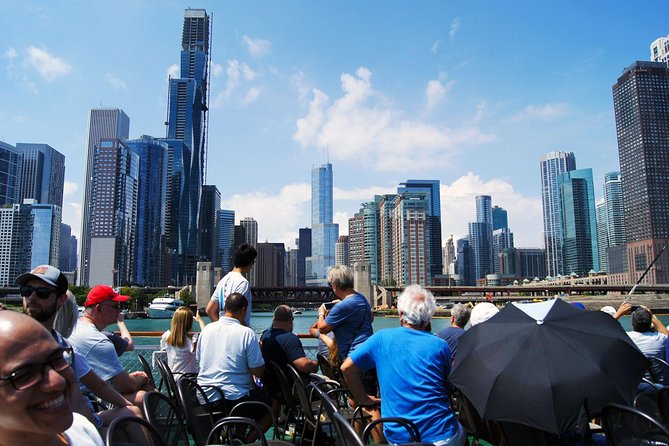
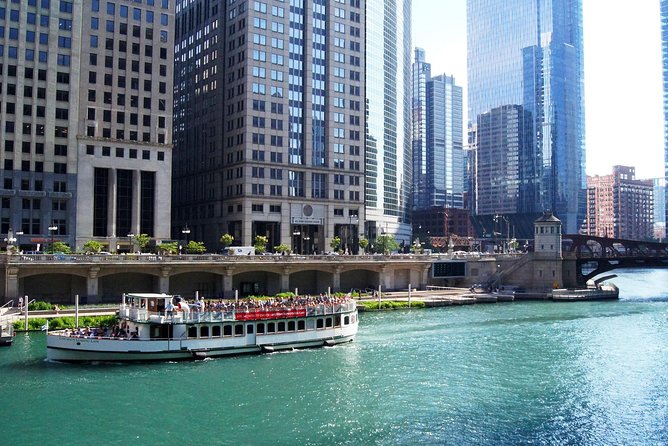
Chicago’s best architecture lesson happens from the water. On this 90-minute cruise, the river gives you the right angle on Chicago’s famous towers, old warehouses, bridges, and bold modern buildings. Instead of looking up from a crowded sidewalk, you can watch the city unfold on both banks.
I especially like the Chicago Architecture Center docents, who explain why buildings look the way they do, not just what they are called. I also like the heated and air-conditioned lower salon, since Chicago weather can shift quickly and the shade on the river can feel chilly.
The main drawback is the open seating system. You board first come, first served, so arriving only a few minutes before departure can leave you with fewer choices. The dock also has no elevator access, and the tickets are non-refundable and cannot be moved to another departure.
Key points to know before you book
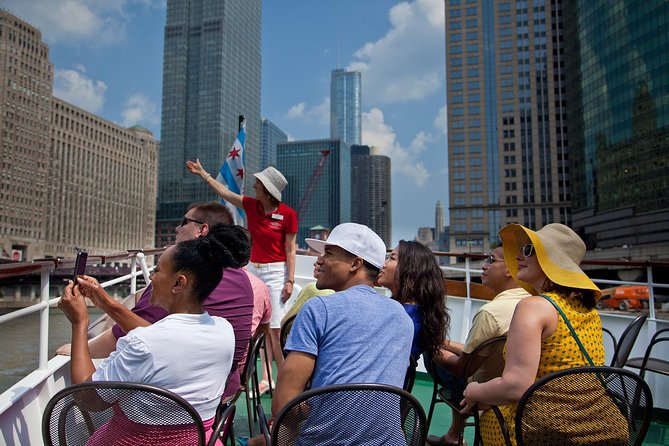
- The river is the classroom: You see Chicago’s major buildings from a viewpoint that makes their scale and setting easier to understand.
- Docent-led rather than canned: Guides such as Cynthia, Laura, Amy, Russell, Nick, and Mark have been praised for lively explanations of architecture, engineering, bridges, and city history.
- A useful first-day activity: The cruise helps you get your bearings, then gives you landmarks to recognize during the rest of your Chicago visit.
- Open-air or enclosed seating: The upper deck gives you the clearest views, while the lower salon protects you from rain, wind, cold, and strong sun.
- Plan for general admission: Arrive at least 30 minutes early, especially in summer, since seating is not assigned.
- Good value for a city overview: At $57 per person, it costs more than a simple sightseeing ride, but the live architectural commentary adds the real value.
Why the Chicago River makes such a good tour route
Chicago’s river is more than a strip of water between office buildings. It has carried industry, shipping, transportation, and city redevelopment, and its changing role mirrors Chicago’s own story.
From the boat, you get a compact lesson in how the city grew upward and outward. The river also compresses a large number of major buildings into one route. In a single hour and a half, you can see modern towers, historic commercial structures, adaptive reuse projects, and engineering experiments without walking several miles through downtown.
I find this perspective especially useful because Chicago’s architecture can be hard to read from street level. A skyscraper may block the building behind it, while a narrow sidewalk can make it difficult to appreciate height or shape. From the river, the façades are easier to compare, and the guide can point out how one building responds to its neighbors.
The trip begins and ends at 112 E Wacker Drive, beside the Chicago Riverwalk. The route and vessel can change without notice, but the main idea remains the same: use the river as a moving viewing platform and let the docent connect the buildings to Chicago’s past and present.
More River Cruises in Chicago:
- Chicago Architecture River Cruise
★ 5.0 · 15,756 reviews - Chicago River: 1.5-Hour Guided Architecture Cruise
★ 4.8 · 8,046 reviews - Chicago: Architecture River Cruise Skip-the-Ticket Line
★ 4.8 · 4,325 reviews
Boarding at Wacker Drive
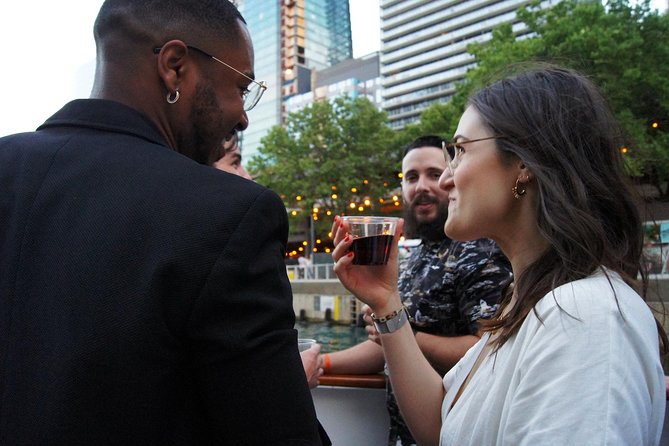
The dock is on the Riverwalk, at street level near the northeast corner of Michigan Avenue and Wacker Drive. It is about three blocks north of Millennium Park and close to the Magnificent Mile, so the cruise fits neatly into a day of downtown sightseeing.
Give yourself at least 30 minutes before departure. You may need time to find the ticketing area, collect the boarding ticket, and get into line. A phone confirmation alone may not be the final ticket used to board, so allow time at the ticket office rather than arriving at the dock at the last second.
There is no assigned seating. Any seat numbers printed on your ticket can be ignored. Boarding is first come, first served, which matters if you want a particular side of the boat or an open-air seat with an unobstructed view.
The boat can carry up to 250 people. That is a sizable group, but the vessel is described as spacious and comfortable. If you want the best chance at your preferred seat, early arrival is more useful than trying to predict which departure will be quiet.
The nearest parking facility is LAZ Parking Garage at 111 E Wacker Drive. Parking costs extra. Public transportation is nearby, and the central location makes this a practical activity before or after other downtown stops.
Picking the right seat for Chicago weather
The upper deck is the place for the clearest photographs and the strongest sense of the buildings rising around you. Bring sunglasses, a cap, or a visor because glare from the sky and water can interfere with your view. Sun protection also helps when you are looking upward for much of the cruise.
The lower level is enclosed and climate controlled, with large windows. It is not a poor substitute for the top deck. It gives you shelter during rain and wind, and it is particularly useful when temperatures drop or when the boat moves into shade between the towers.
The cruise operates in all weather. Dress for the forecast, but add an extra layer for the river. Even on a sunny day, the shaded sections can feel cold. One practical pattern is to start outside for the views, then move indoors when the wind picks up.
The boat has restrooms and a full bar where you can buy drinks and light snacks. The restrooms close 15 minutes before the end of the tour for safety reasons. There is no WiFi, and luggage storage is not available either on the boat or at the dock, so leave suitcases at your hotel.
Navy Pier and the story of adaptive reuse
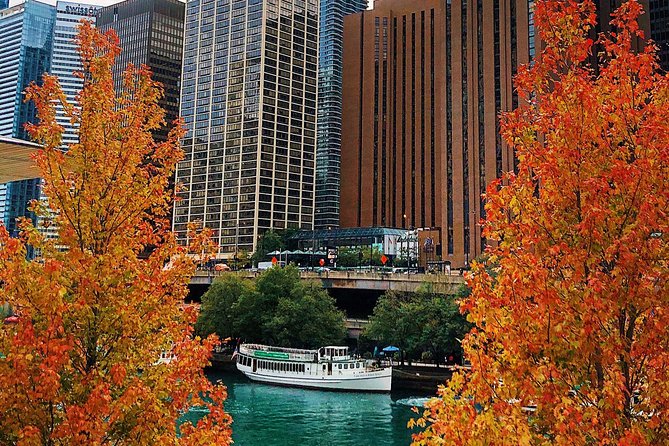
Navy Pier is one of the first major landmarks you encounter on the route. Its long history includes use as a naval base, university campus, shipping center, and entertainment destination.
That sequence gives the docent a useful way to explain adaptive reuse. Navy Pier is not simply a place for rides, food, and lake views. Its identity has changed as Chicago’s needs changed, and the building remains a visible link between the city’s working waterfront and its modern leisure economy.
You will not be touring Navy Pier on foot during this cruise. You see it from the river, which makes its size and position easier to grasp. If you plan to visit it separately, this quick introduction helps you understand why it matters beyond the attractions at the end of the pier.
More boat trips around Chicago:
- Chicago: 45-Minute Family-Friendly Architecture River Cruise
★ 4.7 · 2,304 reviews - Chicago: 1.5-Hour Lake and River Architecture Cruise
★ 4.7 · 2,050 reviews - Chicago by Night River and Lake Cruise
★ 4.6 · 791 reviews - Chicago: Shoreline Lake Michigan Skyline Cruise
★ 4.6 · 758 reviews
Marina City, the corncobs on the river
Marina City is one of the most recognizable stops on the skyline. Bertrand Goldberg designed the twin cylindrical towers as an urban experiment intended to bring middle-class residents back to the city after years of suburban migration.
The buildings are often reduced to a nickname based on their shape, but the docent adds the useful part: the towers were connected to a larger idea about city living. Their design aimed to put homes, parking, and urban activity together in one striking complex.
From the river, you can appreciate the rounded balconies and the way the towers rise directly beside the water. This is also a good example of why the live guide matters. A photograph shows the form, but the explanation tells you what problem the architect was trying to solve.
Trump Tower and the idea of architectural conversation
Trump International Hotel & Tower appears as a glass and steel presence along the river. The guide uses it to discuss how a new building can respond to its surroundings.
The point is not simply that the tower reflects light. Its shiny exterior also reflects nearby structures and the river, allowing the building to look different as the boat changes position. This is a useful reminder that architecture is not only about an isolated object. Buildings affect how their neighbors are seen.
This stop can be politically charged for some people because of the building’s name. The tour’s focus is its design and its relationship to the riverfront, not a political discussion. If you want a strictly old Chicago history tour, the modern corporate towers may feel less compelling. If you want to understand how the skyline keeps changing, this stop earns its place.
Mies van der Rohe and the discipline of modernism
One of the last American projects designed by Ludwig Mies van der Rohe occupies a prominent position along the Chicago River. The building’s power comes from restraint: strong lines, a controlled grid, and a clear relationship between structure and exterior.
Mies is a central figure in Chicago’s modern architecture, and seeing one of his late projects from the boat gives you a clean comparison with the more expressive shapes of Marina City. The river route helps you see that Chicago architecture is not one style repeated over and over. It is a conversation between bold curves, glass boxes, historic masonry, and carefully ordered steel.
The guide may spend more or less time here depending on the route and schedule. Routes can change, so you should treat the listed buildings as expected sights rather than a guarantee of identical commentary at every departure.
150 North Riverside and the engineering show
150 North Riverside is hard to miss. Its narrow lower section and broad upper portion create a gravity-defying appearance, making the building look as if it is balanced above the riverfront.
This is one of the cruise’s strongest examples of architecture and engineering working together. The design is not just a decorative shape. The structure had to support a large tower while leaving a much smaller footprint near the ground.
You get a better sense of that trick from the water because the boat can give you a longer view of the building’s full height. On foot, nearby streets and other structures can interrupt the shape. From the river, the unusual proportions become the main event.
The route also provides a view of Boeing International Headquarters at 100 N Riverside Plaza. This is a shorter stop in the visual sense, but it helps you read the riverfront as a working business district rather than a row of isolated attractions.
Willis Tower and the former record holder
Willis Tower, formerly known as the Sears Tower, held the title of tallest building in the world for nearly 25 years. From the river, the tower reminds you that Chicago’s early skyscraper ambitions did not end with the nineteenth-century downtown buildings.
Its scale is difficult to absorb from below. The river gives you more distance, allowing the tower to rise in full view while the guide places it in the story of Chicago’s competition, commerce, and changing skyline.
If you plan to visit the Skydeck, this cruise makes a useful companion. The Skydeck gives you a high view outward over the city, while the river cruise lets you look upward at the tower and compare it with the buildings around it. They are different experiences, not duplicates.
The old Marshall Field’s wholesale warehouse
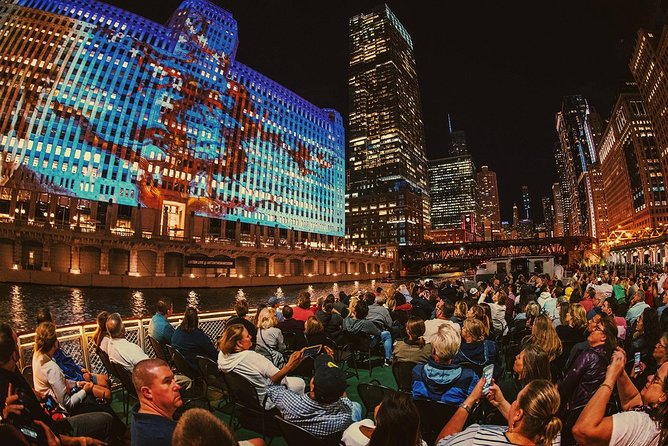
Size mattered in the Midwest, and the former Marshall Field’s wholesale warehouse makes that point plainly. When completed in 1930, it was the largest building in the world and served as a place where retailers could buy stock for their stores.
This stop adds commercial history to the architectural tour. Chicago’s skyline was not created only by banks, hotels, and office towers. Warehousing, retail supply, and trade also shaped the city’s buildings and riverfront.
The structure may appeal most to you if you like the practical side of urban history. It is less about a famous skyline silhouette and more about how goods moved through Chicago’s economy. That balance keeps the tour from becoming a simple parade of glamorous towers.
The Mercantile Exchange and Tribune Freedom Center
The Chicago Mercantile Exchange Building at 20 South Wacker Drive brings finance into the story. Its place on the route helps explain how the riverfront connects office districts, trading, transportation, and large-scale business.
The Chicago Tribune Freedom Center adds another layer, linking the river to journalism and print production. Together, these final sights reinforce the main lesson of the cruise: Chicago’s architecture reflects the work done inside the buildings.
You may notice that some stops are viewed briefly rather than visited directly. This is a sightseeing cruise, not a series of building tours. Its value comes from seeing many structures in context, then choosing which ones deserve a closer look later.
What the $57 price gets you
At $57 per person, this is not Chicago’s cheapest boat ride. You are paying for more than transportation on the river, though. The ticket includes the cruise, live commentary, a local Chicago Architecture Center docent, restroom access, and a climate-controlled lower deck.
The strongest value is the guide. Names such as Laura, Cynthia, Amy, Russell, Nick, and Mark have been associated with especially engaging departures, but you should not expect a particular guide unless the operator confirms it. The best guides explain architecture, engineering, bridges, and city history in a way that stays clear without turning into a lecture.
The 90-minute length is another point in the tour’s favor. It is long enough to cover a wide stretch of the river but short enough to fit into a busy Chicago schedule. I would place it early in a trip because the buildings become reference points for the rest of your visit.
The Chicago Architecture Center is directly across Wacker Drive from the docks. Showing your cruise ticket can reduce admission to the center by $5 per person, which adds value if you want more architecture exhibits and city context after the boat ride.
Who should book this cruise
I recommend it for first-time Chicago visitors, architecture fans, photographers, and anyone who wants a city orientation without a long walking tour. Families can take part, but children must be accompanied by an adult, and the experience is not recommended for children younger than 12.
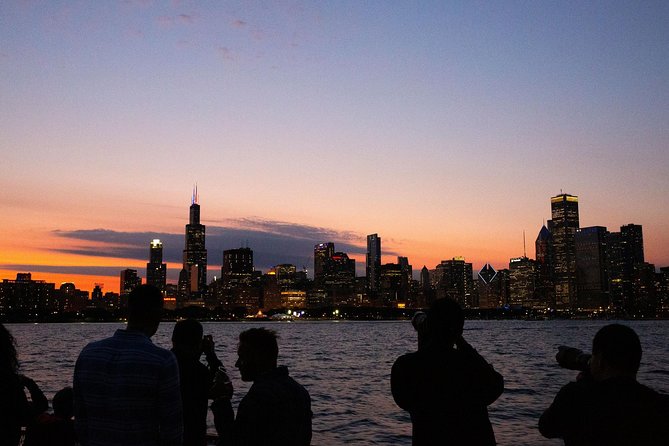
It also works well for couples and friends. The bar gives you the option of buying a drink, and evening departures can offer a different mood along the river. The boat is comfortable enough for a relaxed outing, while the commentary gives the hour and a half real purpose.
I would think twice if you need a flexible ticket, are carrying luggage, or cannot manage stairs to the dock. Service animals are allowed, but pets are not. Strollers may come aboard, though children must be taken out before boarding and the stroller will be folded and stored in the salon.
My call: book it early in your Chicago stay
Book this cruise if you want to understand Chicago rather than simply photograph its skyline. The live docent commentary, river-level views, and mix of famous towers with less obvious commercial buildings make the experience more useful than a basic sightseeing loop.
Choose a departure time that leaves room to arrive 30 minutes early, and plan for weather on both decks. Since tickets cannot be refunded or transferred, confirm your date before paying.
I would make this one of my first Chicago activities. After 90 minutes, you will have a clearer sense of the river, the skyline, and the city’s habit of solving practical problems with very large buildings.
FAQ
Where does the Chicago Architecture Center River Cruise depart?
It departs from 112 E Wacker Drive along the Chicago Riverwalk. The entrance is near the northeast corner of Michigan Avenue and Wacker Drive.
How long is the cruise?
The cruise lasts approximately 1 hour and 30 minutes.
How early should I arrive?
Arrive 30 minutes before departure. Allow extra time during summer.
Is seating assigned?
No. Seating is general admission and boarding is first come, first served. Any seat numbers printed on tickets are not valid.
Is there parking nearby?
Yes. LAZ Parking Garage at 111 E Wacker Drive is directly across from the stairway to the dock. Parking costs extra.
Does the boat operate in bad weather?
Yes. The cruise operates in all weather conditions. The upper deck is open air, while the lower salon is enclosed and climate controlled.
Are food and drinks available?
Yes. A full bar is available onboard, with drinks and light snacks available for purchase.
Are restrooms available?
Yes. Restrooms are onboard, but they close 15 minutes before the end of the cruise.
Can I bring luggage?
No. Luggage is not allowed onboard, and there is no luggage storage at the dock.
Are children and pets allowed?
Children must be accompanied by an adult, and the cruise is not recommended for children younger than 12. Service animals are allowed, but pets are not.
Just added on the water around Chicago
- City Cruises Chicago: Seadog Lakefront Speedboat Ride★ 4.4 · 642 reviews
- City Cruises Chicago: Premier Lunch or Dinner Cruise★ 4.3 · 334 reviews
- City Cruises Chicago: 75-min Speedboat Architecture Cruise★ 4.5 · 268 reviews
- Chicago: Shoreline Lake Michigan Skyline Cruise★ 4.6 · 758 reviews
- Chicago by Night River and Lake Cruise★ 4.6 · 791 reviews
- Chicago: Narrated Sightseeing River and Lake Cruise★ 4.7 · 268 reviews
- Chicago: Fireworks Cruise with Lake or River Viewing Options★ 4.3 · 551 reviews
- Chicago: 45-Minute Family-Friendly Architecture River Cruise★ 4.7 · 2,304 reviews
River Cruises, side by side.

Paris: 1-Hour Seine Cruise departing from the Eiffel Tower
Read our review →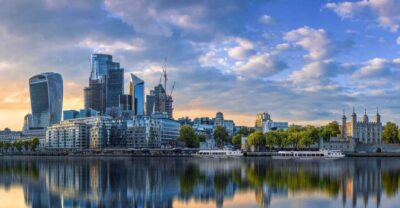
London: Westminster to Greenwich River Thames Cruise
Read our review →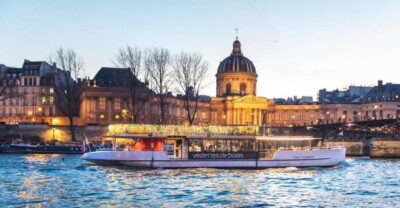

From Porto: Douro Valley w/ Boat Tour, Wine Tasting & Lunch
Read our review →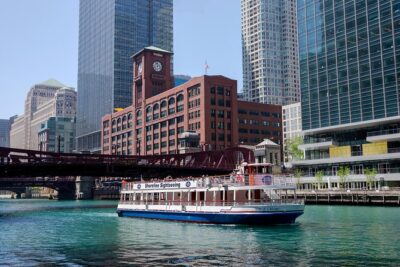
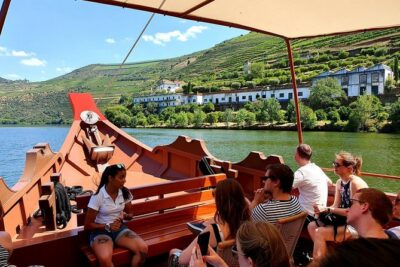
Complete Douro Valley Wine Tour with Lunch, Wine Tastings and River Cruise
Read our review →
Paris: Illuminations River Cruise with Audio Commentary
Read our review →
Other lists this boat trip sits in