
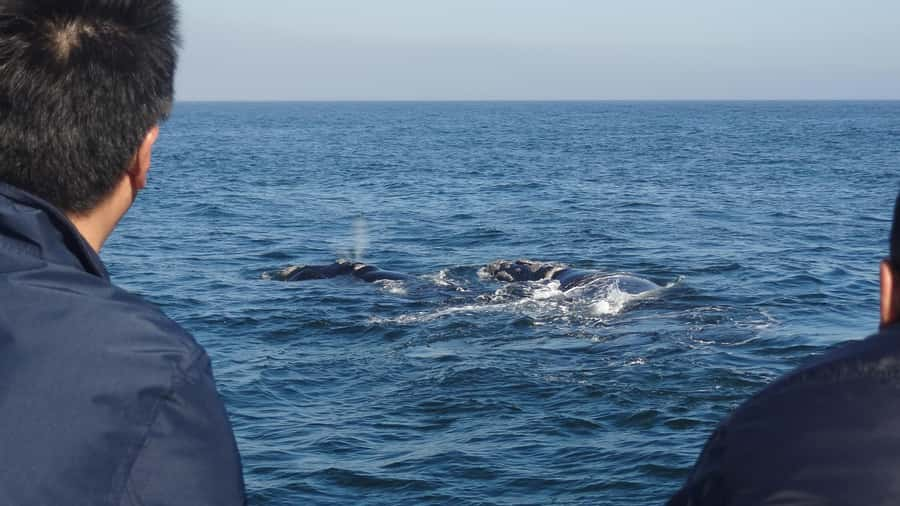
Review · SOUTH AFRICA
Hermanus: Boat Based Whale Watching Experience
Hermanus earns its whale-watching reputation the honest way: by putting you on the water where southern right whales gather close to shore. The best moments are not guaranteed, but when a mother and calf surface nearby, or a whale approaches the boat on its own, the sight is hard to match. You may also see dolphins, seals, seabirds, and the coast of Hermanus from an entirely different angle.
I like two things here. First, the crew keeps the whales’ space in mind, stopping the engines when the boat reaches the viewing area. Second, the boats give you room to move, with an upper deck that can provide excellent views when conditions allow. Guides such as Peter and Philip are praised for clear explanations and a patient way of answering questions.
The main caution is the sea itself. This is an ocean trip, not a calm harbor cruise, and rough water can make photography difficult or bring on seasickness. Whale sightings also depend on season and conditions. Late-season trips can still be rewarding, but you should not book expecting a guaranteed show.
At a Glance
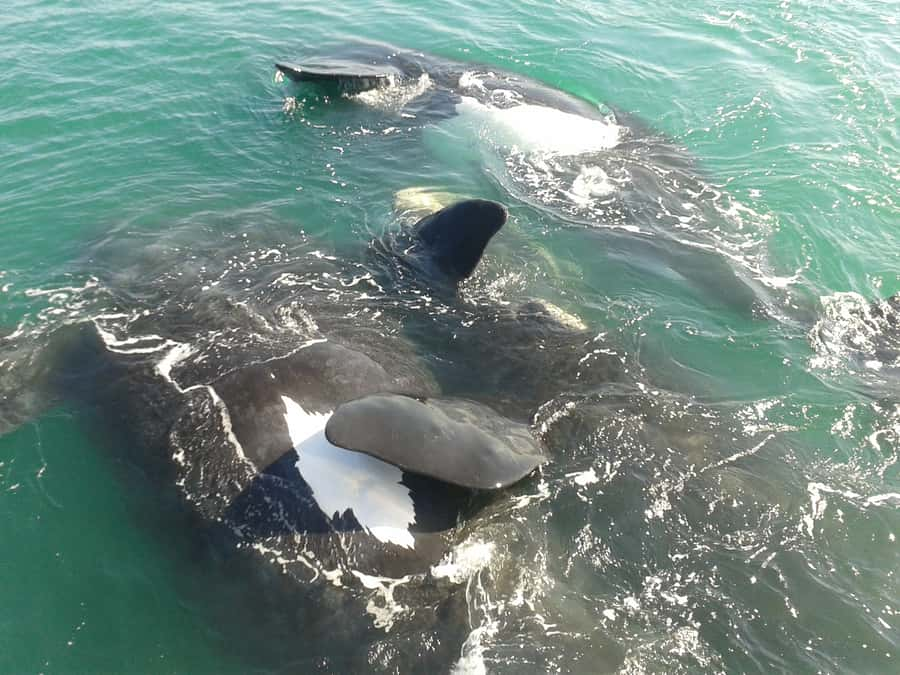
- Whales in Walker Bay: Southern right whales are the main attraction, with humpback and Bryde’s whales also possible.
- More than whales: Dolphins, seals, seabirds, and occasionally other marine life may appear along the route.
- A respectful viewing method: The vessel stops and disengages its engines near whales to reduce the risk from propellers.
- Good viewing space: The upper deck can offer wide, unobstructed views when weather and sea conditions permit.
- Simple harbor logistics: Meet at the orange building on the right after entering Hermanus New Harbour, 30 minutes before departure.
- Weather matters: Bring warm layers, a windbreaker, flat shoes, a hat, and sunscreen.
Why Hermanus Is Such a Good Place to Watch Whales
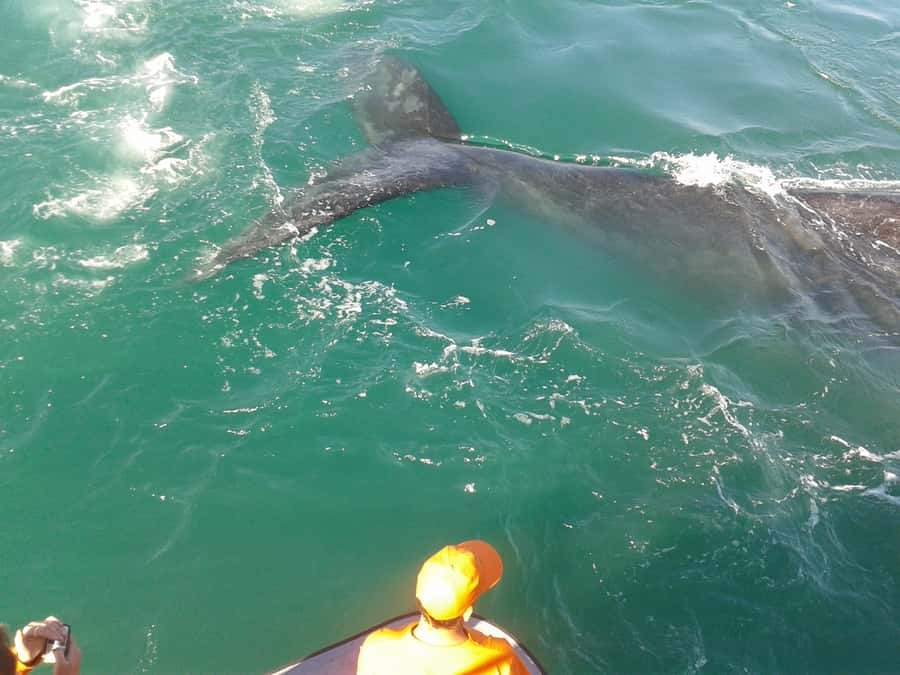
Hermanus sits beside Walker Bay, where whales can be seen close to the coast during the whale season. From land, you can sometimes spot them from the shore and cliffs, but a boat changes the scale of the experience. Instead of searching the horizon for a small splash, you may find yourself looking across the water at a broad back, a rising tail, or a calf traveling beside its mother.
The boat also gives you a better sense of the animals’ setting. You see the sweep of Hermanus and the Western Cape from offshore, with the town behind you and open water ahead. That wider view helps explain why this is more than a quick animal sighting. You are watching marine life in its own environment, not at an aquarium or a staged attraction.
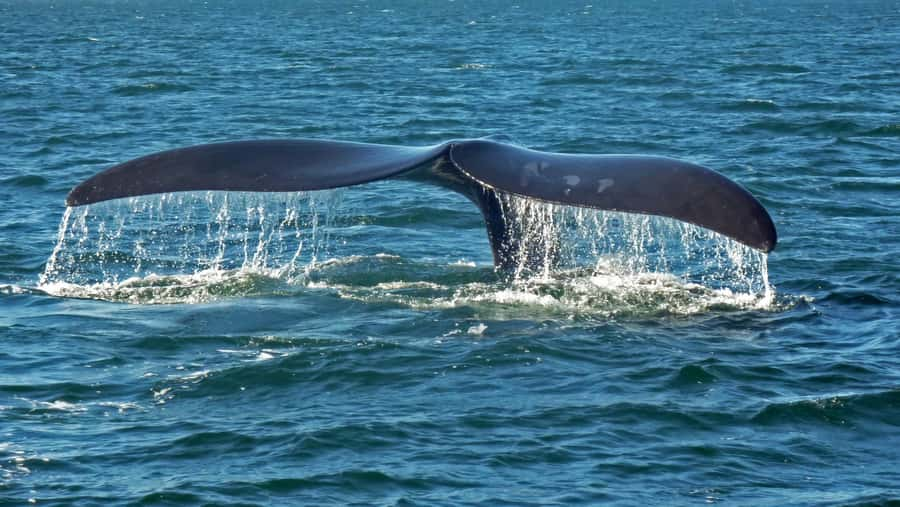
The main target is the southern right whale. Several trips have included mothers with calves, and some have produced close views of whales near the surface. Humpback and Bryde’s whales may also be seen, and a particularly lucky outing can produce more than one type.
Still, keep your expectations sensible. Wild animals follow their own timetable. One December trip was taken after many whales had already migrated, although dolphins were still seen. Another late-November outing found a mother and calf only after the crew spent extra time searching. The best odds are generally earlier in the season, with August, September, and October repeatedly proving productive in the available trip experiences.
More Whale Watching Cruises in South Africa:
- Hermanus: Whale and Dolphin Watching Boat Trip
★ 4.6 · 807 reviews - From Cape Town: Hermanus Whale Watching Boat Trip
★ 4.4 · 378 reviews - Tenerife: Eco-Yacht Whale and Dolphin Watching and Swimming
★ 4.7 · 15,619 reviews
From the Orange Harbor Office to Open Water
You meet at Hermanus New Harbour, at the orange building on the right-hand side just after entering the harbor. Plan to arrive 30 minutes before departure. The physical ticket is provided on arrival, so you should not expect to collect a paper ticket in advance.
There is a small harbor entrance fee of R5, payable when you enter. Coffee is provided on arrival, and water is available on the boat. These are modest touches, but they help when you are arriving early for a cool morning departure.
Before leaving, the crew gives a safety briefing. You learn how the trip will work, where to stand, and what to expect on the water. In good weather, you may be allowed onto the top deck before departure. If conditions are less suitable, access to the upper deck may wait until the boat reaches the whale-viewing area.
That arrangement is practical rather than glamorous. The top deck gives you the best open-air views, but wind and spray can be strong. The lower areas offer more shelter, which may be useful if you are cold or prone to seasickness.
The 90-Minute Route Through Walker Bay
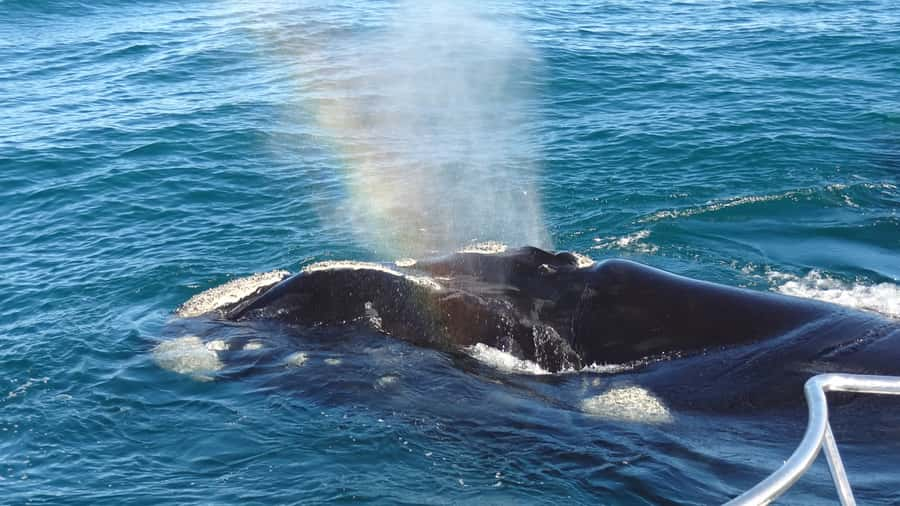
The advertised duration is 90 minutes, while the trip can run for roughly 1.5 to 2 hours depending on the day. That difference matters if you are planning a tight schedule, so leave some breathing room around the departure and return.
The boat heads out from the harbor while the crew points out views along the coast. This first stretch is part scenic cruise and part search operation. The crew is watching the water, looking for blows, backs, fins, and movement that may signal whales nearby.
Once whales are found, the boat is allowed to move closer under the applicable viewing rules. It then stops, and the engines are disengaged so the propellers do not injure the animals. This is one of the strongest features of the trip. You are not watching a boat chase whales. You are sitting quietly while the whales decide how close they want to come.
That distinction can produce wonderful moments. Curious whales may approach the vessel for what feels like their own version of people watching. A few trips have included whales near both sides of the boat, giving people on deck a chance to look without everyone crowding into one spot.
The crew stays focused on locating and identifying marine life. Guides point out behavior and explain the different whale types you might see. They also answer questions throughout the trip, and the best guides, including Peter and Philip on some outings, add useful context without turning every moment into a lecture.
What You Might See Beside the Whales
Southern right whales are the headline act, but the surrounding wildlife can make the trip worthwhile even when sightings are limited. Dolphins are the most frequently mentioned bonus. Some outings have encountered large pods or what looked like hundreds of dolphins moving through the water.
Dolphins can be fast and unpredictable. You may see them traveling beside the boat, cutting across its path, or appearing in a large group on the way back to the harbor. Their movement gives the return journey a lift, especially if the whales were distant or slow to surface.
Seals are another possible sight, and several trips have also included seabirds. A sunfish was seen close to one boat, a less common sight that shows how much can change from one departure to the next. None of these animals can be promised, but the wider the crew’s search, the more the trip becomes a general marine-life outing rather than a single-species hunt.
A few sightings have included all three possible whale types mentioned by the crew, along with dolphins. Others have produced whales but no dolphins or seals. You should treat the full collection of wildlife as a welcome bonus, not as the basic promise of the ticket.
More boat trips around South Africa:
- Cape Town: Hop-On Hop-Off Bus Tour with Optional Cruise
★ 4.8 · 3,929 reviews - Cape Town Hop-On Hop-Off City Tour with Optional Cruise
★ 4.5 · 1,793 reviews - Cape Town: Sunset Champagne Cruise
★ 4.6 · 1,083 reviews - Cape Town: Scenic 1-Hour Coastal Catamaran Cruise
★ 4.6 · 777 reviews
The Upper Deck, Boat Layout, and Viewing Comfort
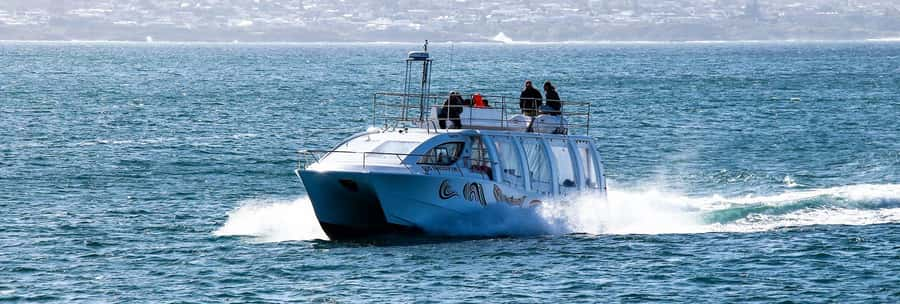
The upper deck is a major reason to pay attention to the boat rather than choosing on price alone. It gives you higher, wider views and makes it easier to scan the bay. Several outings have had spacious upper decks, and one returning visitor specifically valued the large top-deck area compared with other boats in the harbor.
The layout may include tables rather than tightly packed rows of seats. That can work well for families and gives you a little more freedom to shift position as the boat turns or as wildlife appears on one side.
Capacity can vary by departure. One trip was described as limited to about 40 people, while another had plenty of space but a following boat appeared fuller. If clear viewing matters to you, arrive early, listen to the crew, and move carefully between viewing areas rather than staying in one seat.
The boat is described as comfortable and fast, but comfort depends heavily on the sea. A calm trip can feel easy and spacious. A rough afternoon can make standing, framing photographs, and keeping your eyes on the water much harder. Flat shoes are important, and warm clothes are essential even when the day looks pleasant on land.
A bathroom on the boat would be useful, particularly for families or anyone who dislikes being away from shore. That facility is not listed among the inclusions, so do not assume it is available.
Respectful Whale Watching in Practice
The most important part of the operation is how the crew handles the whales. Once the vessel reaches the viewing area, the engines are disengaged. That lets you watch without the constant vibration and noise of a running motor, while also reducing the danger from propellers.
You may see a whale come closer, but the boat does not force that encounter. The approach is patient. The crew watches the animals, explains their behavior, and gives them room to move away. This matters to anyone who wants a wildlife experience that feels responsible rather than intrusive.
You may also see the crew pointing from different parts of the boat so people can follow a whale as it surfaces. That is useful because whales do not rise on cue, and the action can shift quickly. A good guide helps you know where to look without creating needless commotion.
The most dramatic possibility is a breach, but you should not book for that single event. Breaching whales have been seen, along with calves playing near the surface and a rare white calf beside its mother. Those are exceptional moments. More often, your experience will be a series of surfacings, blows, backs, and quiet pauses.
That quieter rhythm is part of the appeal. You are learning to watch the sea instead of waiting for a theme-park performance.
When to Go and What to Wear
The trip operates only when weather and sea conditions permit. The season also affects your chances. August through October appear to be particularly strong months for whale activity, with several September and October outings producing close whales, calves, dolphins, and even multiple species.
November can still be excellent, especially early in the month. By late November or December, some whales may have left the bay, though dolphins and occasional whales can still make the trip worthwhile. If whale sightings are your main goal, choose an earlier date in the season when your plans allow.
Wear more than you think you need. Bring:
- A warm layer
- A windbreaker or jacket
- Weather-appropriate clothing
- Flat, secure shoes
- A sun hat
- Sunscreen
The sun can be bright on the water, while wind makes the air feel much colder than it does at the harbor. A layered outfit lets you adjust without sacrificing comfort. Keep cameras and phones secure, especially when the boat is moving or the sea becomes rough.
Morning and afternoon conditions can differ. One outing had rougher water later in the day, which made photography harder. The provided information does not identify a single best departure time, so check the available times and the forecast rather than assuming every sailing will feel the same.
Is the $93 Price Good Value?
At $93 per person, this is not a cheap harbor ride. It is a specialist wildlife trip with a guide, water on board, coffee on arrival, a safety briefing, and roughly 90 minutes to two hours on the water.
I think the price makes sense if you specifically want to see whales from a boat and value the crew’s wildlife approach. You are paying for the vessel, marine search time, trained spotting, and the chance to watch several species in one outing. The value rises on a day when whales are found quickly and remain near the boat, but that cannot be guaranteed.
The price is harder to justify if you are looking for a guaranteed close-up encounter or if you dislike rough water. Hermanus also offers shore-based whale watching, so you could combine a coastal walk or lookout with this trip instead of treating the boat as your only chance to see whales.
For families, the open deck, guide commentary, and variety of marine life make the outing easier to share than a quiet land lookout. For photographers, it offers better proximity but also a moving platform, changing light, spray, and unpredictable animals. Bring a camera, but do not let the camera become the main reason for going.
Who Will Enjoy This Trip Most?
I would choose this experience if you want a focused wildlife outing with enough scenery and commentary to give the journey shape. It suits first-time whale watchers, families, couples, and anyone visiting Hermanus specifically for marine life.
It is also suitable for all ages, though younger children should be dressed warmly and supervised on deck. The crew’s explanations help make the trip useful even when sightings are brief.
I would pause if you are highly prone to seasickness. The trip takes place on the open ocean, and one outing had high waves that made a partner unwell. If you go, stay prepared with warm clothes, flat shoes, and any personal motion-sickness supplies you normally use.
I would also avoid making this your only timed activity of the day. The stated duration is 90 minutes, but the actual outing can run closer to two hours, and weather can affect departures. Give yourself a buffer before lunch, a transfer, or another reservation.
Should You Book the Hermanus Whale Watching Boat?
Yes, if you are in Hermanus during the stronger whale months and want a respectful, well-organized boat trip with a real chance of seeing southern right whales, calves, dolphins, and seals. The guides receive consistent praise for their explanations, the boats offer useful viewing space, and the engine-off approach near whales is reassuring.
Book with realistic expectations. Wild sightings vary, late-season trips can be quieter, and the sea may be rough. For the best chance at a full day of marine life, aim for August through October, arrive 30 minutes early, and dress for wind rather than for the weather at the harbor.
FAQ
Where does the whale-watching trip start?
The trip starts at Hermanus New Harbour. After entering the harbor, go to the orange building on the right-hand side.
How early should I arrive?
Arrive 30 minutes before the scheduled departure time. Your physical ticket is provided on arrival.
How long is the boat trip?
The activity is listed as 90 minutes, while the outing may last about 1.5 to 2 hours depending on the trip.
What animals might I see?
You might see whales, dolphins, seals, and seabirds. Southern right whales are the main focus, and other possible whale types include humpback and Bryde’s whales.
Are whale sightings guaranteed?
No. The trip is weather permitting, and wild animals may be absent or difficult to find. Late-season trips can have fewer whales after migration.
Is the trip suitable for children?
Whale watching is suitable for all ages. Children should have warm clothing and be supervised on the boat.
Is there a guide on board?
Yes. An English-speaking live guide accompanies the trip and explains the marine life and whale behavior.
Can I go on the upper deck?
In good weather, you may be allowed onto the top deck before departure. If conditions are unsuitable, upper-deck access may begin after whales have been found.
What should I wear?
Wear warm, weather-appropriate clothing, including a windbreaker or jacket and flat shoes. Bring a sun hat and sunscreen as well.
Is the harbor entrance free?
No. A R5 entrance fee is payable when you enter Hermanus New Harbour.
Just added on the water around South Africa
- From Cape Town: Hermanus Whale Watching Boat Trip★ 4.4 · 378 reviews
- Hermanus: Whale and Dolphin Watching Boat Trip★ 4.6 · 807 reviews
- Hartbeespoort: 2-Hour Dam Cruise with South African Food★ 4.4 · 621 reviews
- Durban: 30-Minute Harbor Boat Cruise★ 4.7 · 665 reviews
- Durban Point Waterfront: Luxury Canal Boat Cruise★ 4.4 · 298 reviews
- Cape Town: Gansbaai Eco-Friendly Shark Cage Diving Cruise★ 4.6 · 326 reviews
- Cape Town: Sunset Champagne Cruise and 3-Course Dinner★ 4.5 · 528 reviews
- Cape Town: Scenic 1-Hour Coastal Catamaran Cruise★ 4.6 · 777 reviews
Whale Watching Cruises, side by side.
Tenerife: Eco-Yacht Whale and Dolphin Watching and Swimming
Read our review →
Los Cristianos Respectful No-Chase Whale and Dolphin Safari
Read our review →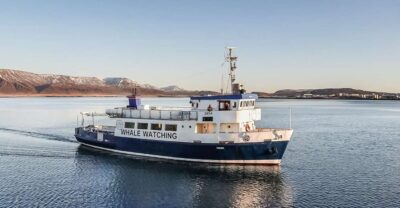
Reykjavík: Whale Watching and Marine Life Cruise
Read our review →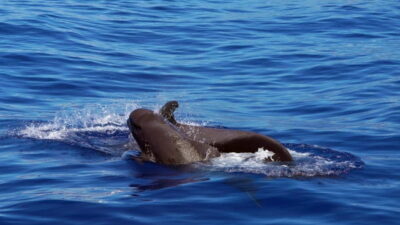
From Funchal: Ecological Catamaran Dolphin Whale Watching
Read our review →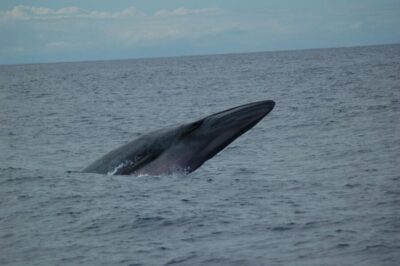
Funchal: Dolphin and Whale Watching Catamaran Cruise
Read our review →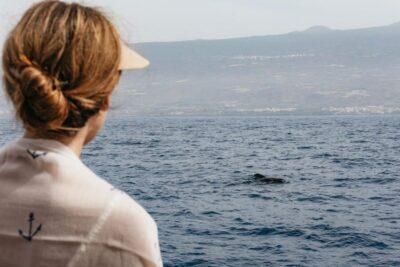
Costa Adeje: Whale & Dolphin Eco-Cruise with Snacks & Drinks
Read our review →
Los Gigantes: Dolphin & Whale Watching Cruise with Swim Stop
Read our review →Other lists this boat trip sits in