
Review · AUSTRALIA
Whale Watching Cruise from Busselton, Augusta or Dunsborough
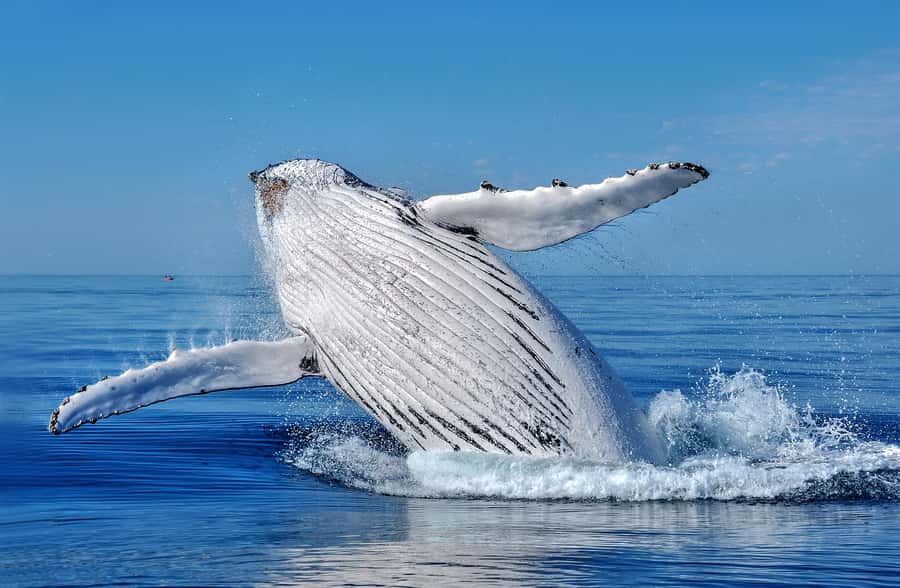
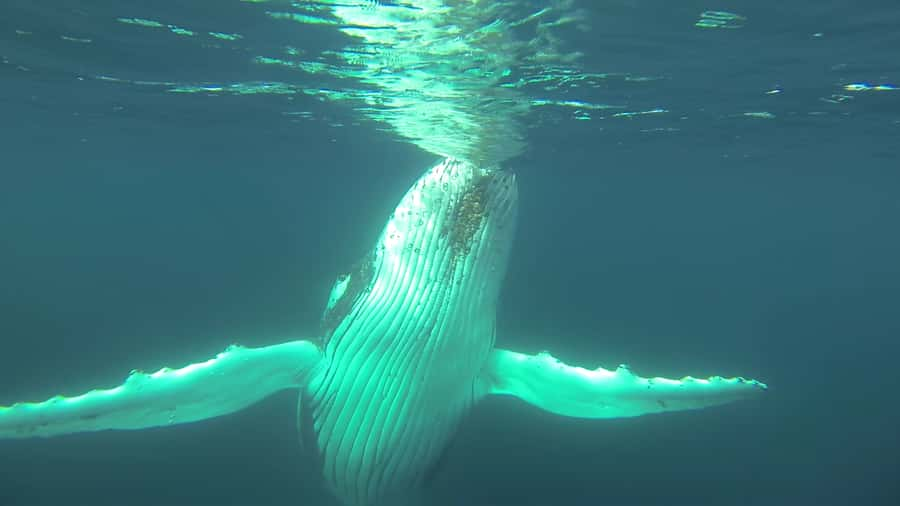
Humpback whales are the main event here, and the timing can be astonishing. From Augusta, you may see whales heading north between mid-May and mid-August. From Busselton or Dunsborough, the action shifts to Geographe Bay from late August, when whales travel south toward Antarctica. I like the purpose-built boat with walk-around viewing and the mix of skippers, marine biologists, and researchers who explain what you are seeing. I also like the small-group feel, which gives you room to move instead of fighting for one narrow rail.
The main thing to consider is the sea. A whale trip can be rough, and one family found two hours a little long for young children, though the cabin, books, and indoor space helped. Bring warm clothes, and take seasickness precautions if you are at all unsure.
Key points at a glance
- Seasonal whale routes: Depart from Augusta from mid-May to mid-August, or from Busselton and Dunsborough from late August.
- A boat made for viewing: Two levels, a full safe walk-around area, and plenty of room to change position.
- Strong marine interpretation: Captain Zip and other crew members provide lively commentary, with a marine biologist often onboard.
- More than humpbacks: You may also see southern right whales, pygmy blue whales, minke whales, dolphins, seals, and seabirds.
- Good value at $67: A two to two-and-a-half-hour cruise, tea and coffee, and a repeat trip if no whales are found.
- Bring warmth and patience: Wildlife is unpredictable, and the ride can be bumpy in open water.
Why the whale season changes by departure point
This is not one identical cruise sold from three docks. Your departure point changes the season and the kind of movement you are likely to watch.
From Augusta, trips run from mid-May to mid-August, when humpback whales move north along the Western Australian coast. Augusta is the better choice if your visit falls in the earlier part of the season.
From Busselton and Dunsborough, cruises begin in late August as whales turn south toward Antarctic waters. Geographe Bay becomes an important resting area, so you may see whales slowing down, travelling in pods, or spending time near the boat.
That seasonal setup is useful when planning a Margaret River region road trip. You do not need to force one town into your schedule if another departure point fits your dates better. Check the exact meeting point when booking, since it varies with the option you select.
More Whale Watching Cruises in Australia
- Sydney: Whale Watching Adventure Cruise
★ 4.2 · 1,790 reviews - Brisbane Whale Watching Cruise from Redcliffe or Sunshine Coast
★ 5.0 · 997 reviews - Freedom 3/4 Day Hervey Bay Premium Whale Watching Cruise
★ 5.0 · 919 reviews
Setting out on a purpose-built whale boat
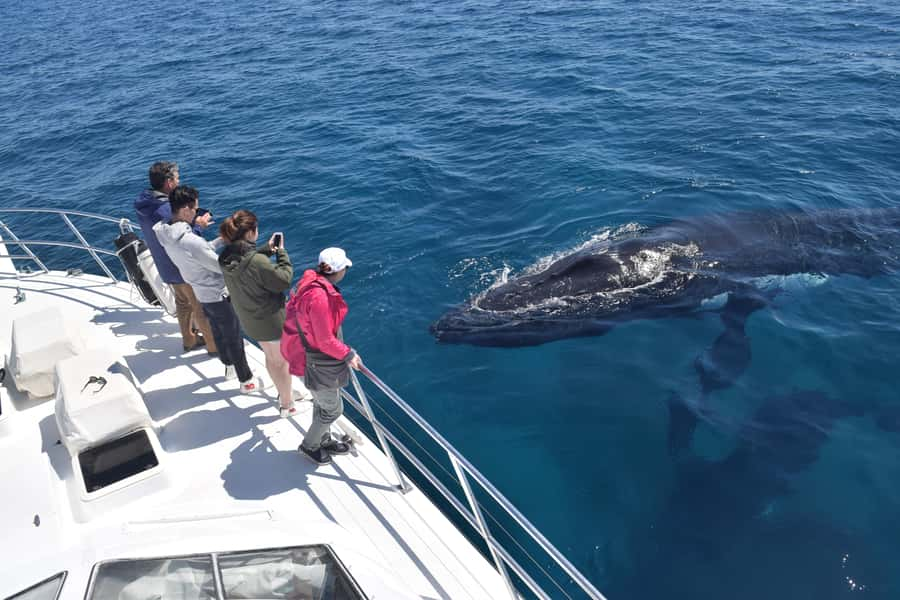
The boat is one of the strongest reasons to choose this outing. It has two levels and a full walk-around layout, allowing you to shift from one side to the other when a whale surfaces in a new direction. You can also move between lower and upper viewing areas instead of staying fixed in one seat.
That matters more than it may sound. Whales do not perform on cue in front of one window. A broad viewing area lets you watch the water for blows, fins, tail slaps, and the small disturbances called footprints that can show where a whale has recently been below the surface.
The vessel is described as purpose-built and stable for whale watching. Stable does not mean motionless, of course. Open water still moves, and one cruise was described as rough enough that seasickness tablets would have been sensible. If you are prone to motion sickness, consider taking your usual remedy before departure. Anti-nausea wristbands are available onboard for $10, compared with a stated recommended retail price of $20.
The boat also suits families better than a bare-bones vessel. There is a cabin where children can take a break, along with educational books for younger passengers and fact material for older children. That gives you a useful fallback when the whales disappear for a few minutes.
What the two-hour cruise feels like
Allow between two and two-and-a-half hours on the water, depending on the selected departure and conditions. The basic rhythm is simple: leave the harbour, head toward likely whale activity, watch and listen, then return after giving the animals plenty of time.
The first sightings can come quickly. At Augusta, one morning group reported seeing whales within about 30 seconds of leaving the harbour, while another saw whales roughly a minute after departure. That is possible, not guaranteed, but it shows how close the animals can be to the port.
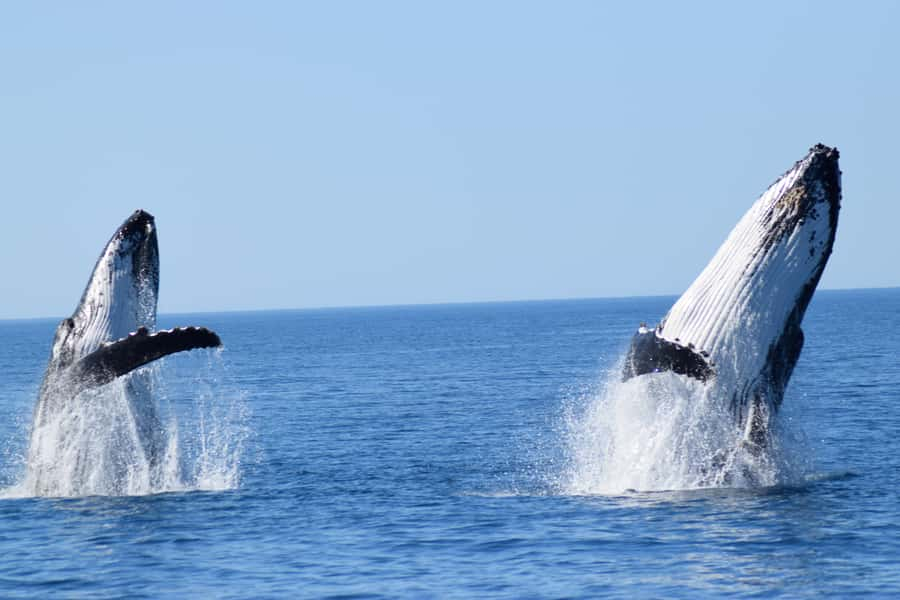
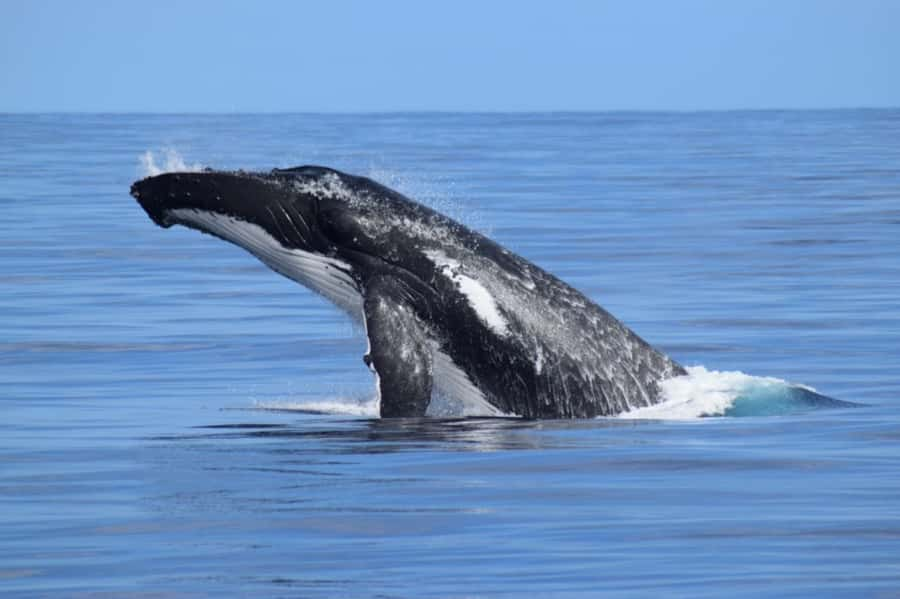
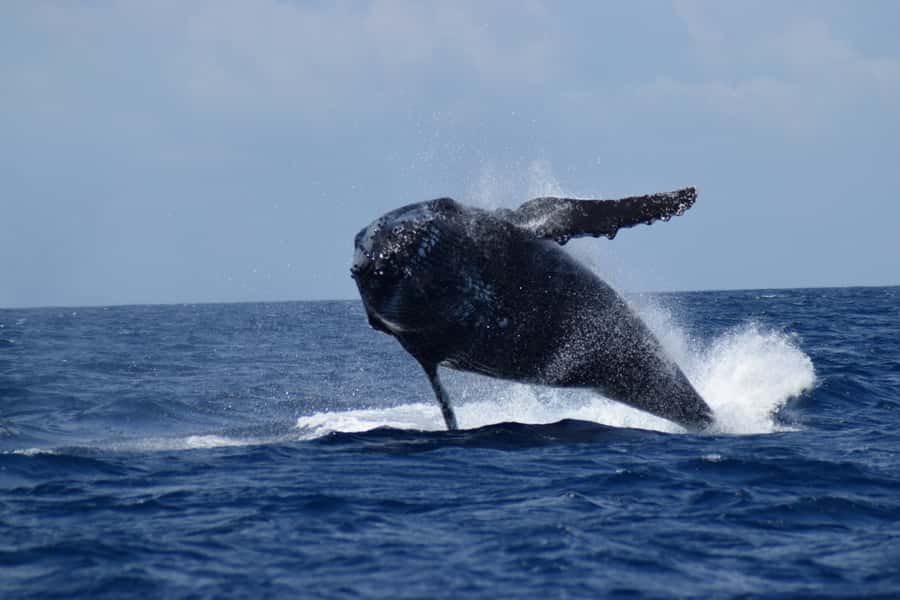
Once a whale is spotted, the skipper works to position the boat for safe viewing. You may see a back roll past the surface, a blow followed by a long wait, or a whale moving steadily through the bay. On lucky days, the animals may stay near the vessel for much of the trip. Several outings included whales beside, behind, and in front of the boat, while others produced breaching, tail flicks, and fin waving.
Do not expect constant action every minute. A calm stretch is part of whale watching. The payoff comes when a whale resurfaces after you have been scanning the water, and you already understand what its blow or movement means.
Captain commentary and marine science
The crew adds real value here. Captain Zip is known for keeping the ride entertaining while explaining whale behaviour, and other named crew members have included Tesh, Paul, Bugsy, Jess, and Pete. The exact team will depend on the date, but you can expect English commentary from the skipper and crew.
A marine biologist is often onboard, and marine researchers sometimes join the trip. That changes the outing from a simple search for large animals into a lesson in how to read the bay. You may learn why a whale surfaces in a certain pattern, how pods behave, or what the crew is watching for between sightings.
The commentary is especially useful for children and first-time whale watchers. A whale blow can look like a brief white puff, and a footprint can be easy to miss if nobody points it out. The crew helps turn those small signs into part of the experience.
The best commentary also includes restraint. The aim is to give you a close view without treating the animals like performers. The skipper has more than 15 years of whale-watching experience, and the operator reports fewer than 10 tours without a whale sighting during that period. That is an impressive record, but nature still has the final word.
Same coast, a different kind of boat:
- All Inclusive Blue Mountain,Scenic World,Lunch,Koalas,ferry
★ 5.0 · 7,832 reviews - Great Barrier Reef Snorkeling and Diving Cruise from Cairns
★ 4.5 · 3,714 reviews - From Cairns: Great Barrier Reef Cruise by Premium Catamaran
★ 4.9 · 3,567 reviews - Whitehaven Beach and Hill Inlet Lookout Snorkeling Cruise
★ 5.0 · 2,953 reviews
The marine life you might see
Humpback whales are the regular focus, but they are not the only possibility. Southern right whales, pygmy blue whales, and minke whales may also appear.
The blue whale sightings are particularly memorable because these are enormous animals and far less predictable than the seasonal humpbacks. One cruise recorded several blue whales alongside humpbacks, while another included a pygmy blue whale. Treat these as welcome surprises rather than expected targets.
Dolphins are another frequent bonus. They may travel near the boat, form a pod, or put on a brief display before moving away. Seals and marine birds are also possible, and seabirds are reportedly seen on every tour. Keep watching after the main whale sighting, since the smaller wildlife helps fill the quieter stretches.
The variety gives the trip more depth. Even if the humpbacks are travelling quietly, dolphins, seals, and birds can keep the water around you active.
How close do the whales come?
Sightings can be close, but the distance and behaviour depend on the animals. You might see a whale surface near the boat, or you may watch several animals travelling farther away. Some outings have included mother-and-calf pairs, an escort whale, and calves breaching near the vessel.
A mother with a newborn is a special sight, though you should not expect every trip to produce one. Breaching is also rare enough that it should be treated as a bonus. The more dependable experience is watching whales move, blow, dive, and reappear in the bay.
The boat’s open viewing design helps at any distance. If an animal surfaces on the other side, you can move rather than wait for it to come around. On smaller boats, that freedom can be especially useful, though the operator may use different vessels depending on the departure.
The skipper may also communicate with other charter boats to improve viewing opportunities. That cooperation can help spread vessels out and give more people a chance to see active whales without creating a crowded cluster.
Is $67 good value?
At $67 per person, this is a strong-value wildlife cruise for the length of time on the water. You are getting roughly two to two-and-a-half hours, a purpose-built boat, crew commentary, and the possibility of a marine biologist onboard. Tea and coffee are available, which is a small but welcome touch on a cold morning.
The value is strongest when you compare it with the amount of time spent actively watching. This is not a short harbour loop with a quick look at the horizon. The crew stays out searching and watching, and one exceptionally active trip continued for an extra hour while whales remained around the boat. That kind of extension cannot be promised, but it shows that the crew pays attention to the conditions rather than rushing back to the dock.
There is no hotel pickup or drop-off, so you need to arrange your own way to the correct harbour. Parking is available near at least some departure points, including Augusta, but confirm the meeting details for your selected option.
After an Augusta trip, you receive 10 percent off at the Colour Patch Cafe. That is a useful add-on if you want a hot drink or meal after time on the water.
Making the trip comfortable
Pack for wind, not just the temperature on land. Warm layers are essential, and a camera is worth bringing. The boat has open viewing areas, so you may feel much colder than you did at the departure point.
For families, the onboard cabin and books provide a welcome break. Still, two hours can feel long to a small child if the whales stay underwater. Explain before boarding that the cruise involves waiting and watching, not nonstop jumps and splashes.
If you are unsure about seasickness, plan ahead. The water can be rough, and standing on deck while scanning the horizon may make symptoms worse. Follow your normal medical advice and use an anti-nausea option that suits you.
Pets are not allowed. Free cancellation is available up to 24 hours before departure, and you can reserve now and pay later, which is handy if your road-trip schedule is still shifting.
Who should book this cruise?
I would choose this trip if you want a good amount of time on the water without paying for a full-day expedition. It suits couples, families, photographers, and anyone keen to learn about whale behaviour rather than simply hope for a quick sighting.
It is also a smart choice for visitors staying in different parts of the southwest. Augusta works for the northbound season, while Busselton and Dunsborough fit the southbound season. The ability to choose between three departure areas makes the cruise easier to add to a wider itinerary.
You should think twice if you dislike boats, struggle with motion sickness, or need guaranteed animal activity. Wildlife watching always includes waiting, and even a strong sighting record cannot promise a breach or a close approach on your particular day.
My final call on the whale cruise
I would book this cruise when the season and departure point fit my route. The best features are practical: a stable whale-watching boat, room to move, experienced skippers, clear marine commentary, and enough time to give the whales a fair chance to appear.
The price is reasonable for the duration, especially with a repeat trip offered if no whales are seen. Bring warm layers, prepare for a moving sea, and keep your expectations focused on observing wild animals rather than watching a staged show. If you can accept that uncertainty, this is a well-rounded and family-friendly way to experience Western Australia’s whale migration.
FAQ
Where does the whale-watching cruise depart from?
You can choose a departure from Augusta, Busselton, or Dunsborough. The meeting point depends on the option booked, so check the selected departure details before you go.
How long does the cruise last?
The cruise lasts between two and two-and-a-half hours, listed as two hours to 150 minutes depending on the departure and availability.
When can I see whales from Augusta?
Augusta departures operate from mid-May to mid-August, during the humpbacks’ northbound migration.
When can I see whales from Busselton or Dunsborough?
Busselton and Dunsborough departures operate from late August, when humpbacks travel south toward Antarctica through Geographe Bay.
What types of whales might I see?
Humpback whales are the main species. Southern right whales, pygmy blue whales, and minke whales may also be seen.
Could I see dolphins or seals?
Yes. Dolphins, seals, and marine birds may be seen during the cruise, and marine birds are reported on every tour.
What happens if no whales are seen?
In the unlikely event of no whale sightings, you are offered a complimentary repeat tour.
What should I bring?
Bring warm clothing and a camera. If you are prone to seasickness, consider taking your usual precautions before departure. Anti-nausea wristbands may be available onboard for $10.
Is hotel pickup included?
No. Hotel pickup and drop-off are not included, so you must make your own way to the departure point.
Just added on the water around Australia
- Melbourne: 2-Hour City Highlights River Cruise★ 4.1 · 1,804 reviews
- Hobart: Historic Lunch Cruise★ 4.6 · 271 reviews
- Hervey Bay: Sunset Cruise to Great Sandy Marine Park★ 4.7 · 289 reviews
- Hervey Bay: Half-Day Whale-Watching Cruise★ 4.8 · 277 reviews
- Perth: Swan River Lunch Cruise★ 4.7 · 301 reviews
- Gold Coast: Premium Whale Watching Cruise★ 4.5 · 444 reviews
- Gold Coast: Sightseeing Cruise with Buffet Lunch★ 4.8 · 593 reviews
- Gold Coast: 1-Hour Land and Water Duck Tour★ 4.6 · 286 reviews
Whale Watching Cruises, side by side.
Tenerife: Eco-Yacht Whale and Dolphin Watching and Swimming
Read our review →
Los Cristianos Respectful No-Chase Whale and Dolphin Safari
Read our review →
Reykjavík: Whale Watching and Marine Life Cruise
Read our review →
From Funchal: Ecological Catamaran Dolphin Whale Watching
Read our review →
Funchal: Dolphin and Whale Watching Catamaran Cruise
Read our review →
Costa Adeje: Whale & Dolphin Eco-Cruise with Snacks & Drinks
Read our review →
Los Gigantes: Dolphin & Whale Watching Cruise with Swim Stop
Read our review →Other lists this boat trip sits in