
Review · CHICAGO
Chicago Architecture River Cruise
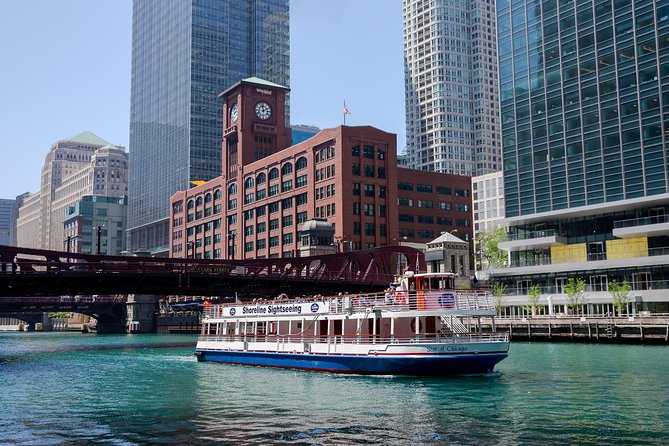
Chicago’s best architecture tour may be the one that keeps you off the streets. From the river, the Wrigley Building, Willis Tower, John Hancock Center, Marina City, and Aqua rise around you in one sweeping view. You get the city’s story, too, from the Great Fire of 1871 to the building methods that helped Chicago grow upward.
I like the way this cruise covers several branches of the Chicago River in about an hour to 90 minutes. I also like the guides, who bring real personality to the history. Jim, Ashley, and Sam have each been praised for clear storytelling, humor, and a strong sense of Chicago’s past. The main drawback is weather and sound: cold wind can be fierce, and a noisy boat or fast-speaking guide can make the commentary hard to follow.
Key Things to Know Before You Board
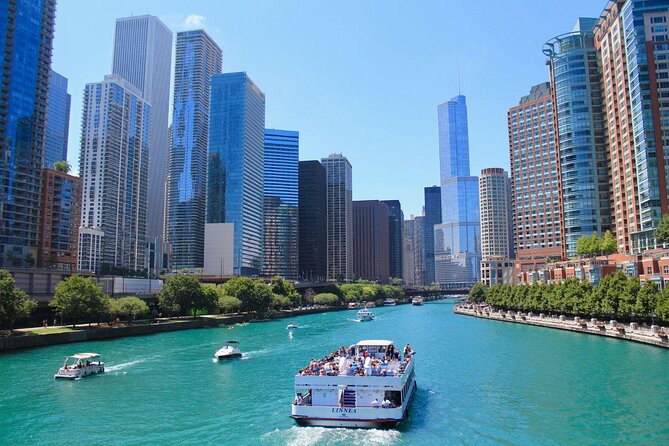
- The river gives you the best angle: Buildings that feel scattered from street level line up in one dramatic view from the water.
- Guides make the difference: Expect live stories about architecture, the Great Fire, balloon-frame construction, and Chicago’s growth.
- You have a choice of departure areas: Depending on the option you choose, the boat leaves from Navy Pier or Michigan Avenue.
- Winter cruises need serious layers: The river wind can cut through ordinary clothing, even when the boat has an indoor area.
- The boat is pet-friendly: Dogs are welcome, making this one of the easier Chicago sightseeing options for people traveling with a pet.
- The $39 price is fair for a first look: You get a guided cruise, restroom access, and a full bar without spending half a day on an outing.
Why the Chicago River Is the Right Place to See the City
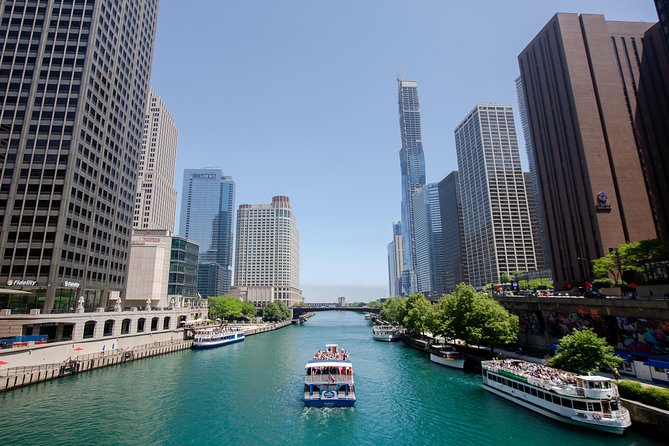
Street-level Chicago is impressive, but the river explains the city better. You can look up at one tower, turn a corner, and suddenly face a wall of older brick buildings, modern glass, and landmark skyscrapers. The boat lets you see that change without stopping at every block or crossing every major road.
I find this especially useful on a first visit. You get a quick map of downtown, a sense of where the major buildings sit, and enough historical context to make later walks more meaningful. After the cruise, you may recognize buildings that would otherwise blur together in the city center.
The trip focuses on architecture, but it is not a dry lecture. The guide connects buildings to the people and problems that shaped them. You hear how balloon-frame construction changed homebuilding and how the Great Fire of 1871 helped create the conditions for a new kind of American city.
That combination is the real value. You are not simply looking at tall buildings. You are learning why Chicago became one of the key places in the development of modern American architecture.
More River Cruises in Chicago:
- Chicago River: 1.5-Hour Guided Architecture Cruise
★ 4.8 · 8,046 reviews - Chicago Architecture Center River Cruise aboard First Lady
★ 5.0 · 5,536 reviews - Chicago: Architecture River Cruise Skip-the-Ticket Line
★ 4.8 · 4,325 reviews
Boarding at Navy Pier or Michigan Avenue
Your departure point depends on the option you select. Some boats leave from Navy Pier, a large entertainment and shopping area on the lakefront, while others depart near Michigan Avenue. Check the exact meeting point carefully before leaving your hotel. One poor experience came from unclear directions and a missed departure, so do not rely on a quick glance at the confirmation.
Navy Pier gives you plenty to do before or after the cruise. The area covers 50 acres and includes parks, promenades, gardens, shops, restaurants, attractions, and a 15-story Ferris wheel. That makes it a handy choice if you want to pair the boat ride with a longer outing.
Allow enough time to find the dock and board without rushing. Early arrival also helps you choose a better seat. One useful tip is to line up early if you want a front-row position. A front seat can feel almost private when the boat is not full, though this experience can accommodate up to 250 people.
The vessel is not guaranteed. Some boats have one deck, while others offer more than one level. All have a full restroom and full bar, but the seating arrangement and view can vary. Drinks are available for purchase, while WiFi is not included.
The Chicago River Route, Building by Building
The cruise lasts about one hour to 90 minutes, depending on the season and option. From November 14, 2025 through April 2026, trips are scheduled for 60 minutes. That shorter winter format still gives you a useful introduction, but it leaves less time for lingering views and extended stories.
The boat travels along the Chicago River and its branches, returning to the starting point. The exact order of the sights can vary with the route, but these are the main visual and historical highlights.
Chicago’s Skyline From the Water
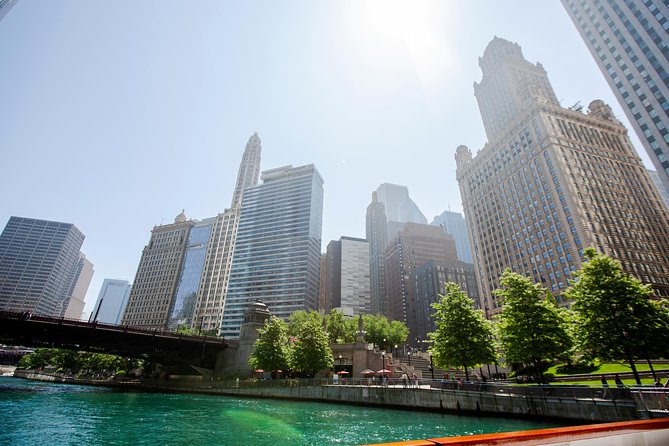
The first reward is the view itself. The river creates long sight lines through the center of Chicago, letting you see how buildings from different decades work together. From the boat, the scale is easier to appreciate than from a sidewalk surrounded by traffic and storefronts.
This is also a good outing for photographers. You can capture several major buildings in one frame, though you may need to move around the boat as the angle changes. Keep your phone or camera ready, since the best view can appear quickly around a bend.
More boat trips around Chicago:
- Chicago: 45-Minute Family-Friendly Architecture River Cruise
★ 4.7 · 2,304 reviews - Chicago: 1.5-Hour Lake and River Architecture Cruise
★ 4.7 · 2,050 reviews - Chicago by Night River and Lake Cruise
★ 4.6 · 791 reviews - Chicago: Shoreline Lake Michigan Skyline Cruise
★ 4.6 · 758 reviews
The Wrigley Building and Tribune Tower
The Wrigley Building is one of the easiest landmarks to spot. Its bright exterior and prominent position beside the river make it a useful reference point as the guide explains the older generation of Chicago office buildings.
Nearby, the neo-Gothic Tribune Tower adds a more decorative note. Its exterior includes stones connected to famous places and buildings, including the Parthenon, St. Peter’s Basilica, Notre Dame, the White House, and the Berlin Wall. That detail gives the guide a natural opening to discuss how buildings can carry political and cultural meaning, not just provide office space.
These older landmarks are a useful counterpoint to the glass towers farther along the route. You can see Chicago’s architectural changes without needing a separate walking tour.
John Hancock Center
The John Hancock Center, now commonly called 875 North Michigan Avenue, reaches 100 stories and 1,128 feet. From the river, its dark exterior and diagonal bracing give it a strong, recognizable profile.
The guide uses buildings like this to explain how engineers and architects dealt with height, wind, and limited urban space. You do not need a background in architecture to follow the discussion. The best guides, including those praised for their humor and clarity, make the technical points easy to grasp.
Marina City’s Corncob Towers
Marina City is one of Chicago’s most memorable sights. The twin towers look like tall ears of corn, with rounded balconies wrapping around the structure. Their unusual shape breaks up the straight lines of the downtown towers.
This is the kind of building that is more fun from the river than from a nearby sidewalk. The boat gives you time to see the full form from several angles. It also helps you understand how different architects experimented with mixed-use urban living.
Willis Tower
Willis Tower, formerly known as the Sears Tower, was once the tallest building in the world. It remains one of the strongest features of the Chicago skyline, with a profile that is easy to recognize even from a distance.
The boat’s position lets you compare it with buildings that came before and after it. That comparison is more useful than seeing the tower alone. You begin to understand how Chicago’s ambition kept changing as new construction methods allowed architects to build higher.
Aqua and Other Modern Towers
Aqua is known for its wave-like balconies. Its rippling exterior looks different from every angle, and the river is a good place to watch the balconies shift as the boat moves.
The route includes many other buildings by major architects, including Mies van der Rohe and Helmut Jahn. You will not get a complete architectural education in one hour, but you will see enough styles to recognize the major themes: steel and glass modernism, decorative historic buildings, bold concrete forms, and newer towers that treat the exterior as a work of art.
The Stories Matter as Much as the Views
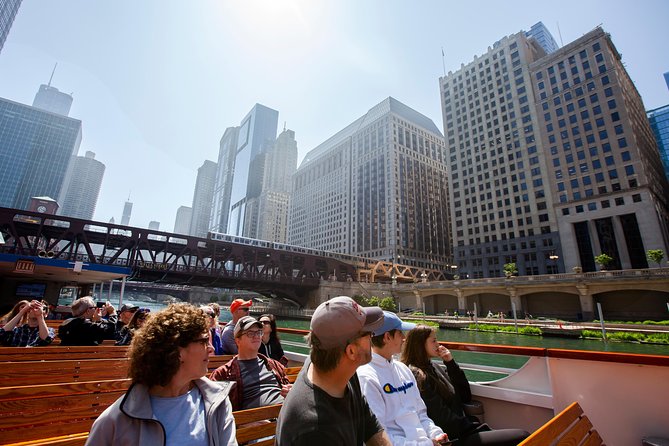
The strongest part of this experience is the live commentary. A good guide does more than identify buildings. You hear what was happening in Chicago when each structure went up, why the design mattered, and how the city changed around it.
The Great Fire of 1871 is central to the story. Chicago’s rebuilding helped create a setting where new construction ideas could be tested quickly. Balloon-frame construction also played a major role in changing how homes were built, and the guide connects that practical invention to the city’s later growth.
Guide quality can vary. Jim has been praised for his passion and storytelling, while Ashley and Sam have also received strong marks for clear, entertaining presentations. Some guides use jokes and personal energy, which helps the hour pass quickly. Others may speak too fast or sound more scripted.
Sound is another consideration. Loud conversations, phone use, and crying children can make it difficult to hear. Sit close to the guide if possible, and choose an outdoor position when the weather allows. If you have trouble hearing, moving seats early is easier than trying to follow from the back.
Comfort, Weather, and the Full Bar
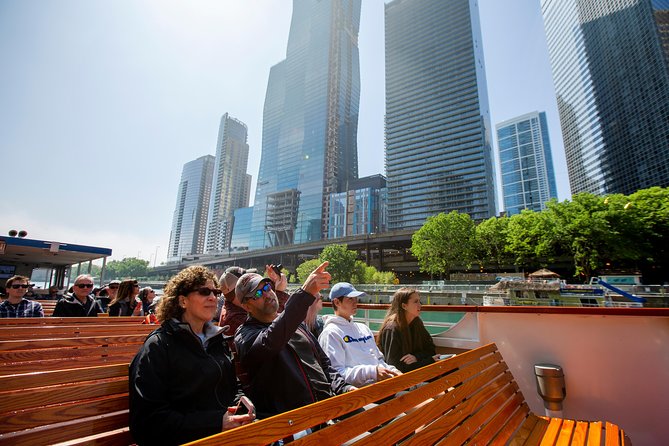
The boat has comfortable seating, a restroom, and a full bar. Snacks and drinks are available for purchase, and one evening cruise offered spiked hot chocolate. Blankets and hats may also be available for sale during cold-weather trips.
Do not mistake the indoor area for a warm retreat in severe weather. The lower deck may have open sections or window coverings that still let in cold air. Several cold-weather accounts describe the river wind as the biggest challenge, so dress in layers and bring a proper coat, gloves, and a hat.
Late afternoon and evening departures can be especially pretty. A 5:30 trip offers views as Chicago begins to glow, but cold becomes more noticeable after sunset. Spring through early fall should be more comfortable, though the tour requires suitable weather and may be canceled if conditions are poor.
Dogs are welcome, which is a useful feature for people who do not want to leave a pet behind. The cruise is also suitable for most people, and its one-hour format is manageable for families, couples, and business visitors with a tight schedule.
Is $39 a Good Deal?
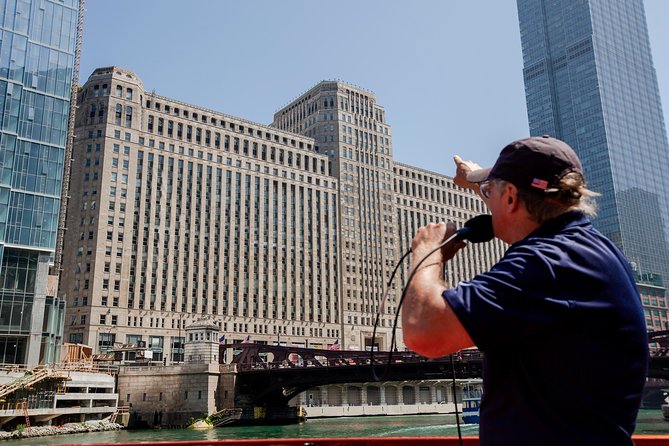
At $39 per person, this is a reasonable price for a guided Chicago sightseeing experience. You are paying for more than transportation. The ticket combines a river route, live architectural commentary, skyline views, restroom access, and a relaxed way to cover a large part of downtown.
The value is strongest if this is your first Chicago visit or if you have only one free afternoon. You can see more landmark buildings in an hour than you could on foot, especially if you would otherwise spend time navigating traffic and city blocks.
The price is less attractive if you mainly want a quiet boat ride. This is a commentary-led tour, and the quality of the experience depends heavily on the guide and the noise level around you. Drinks, snacks, and WiFi are not included, so budget extra if you want something from the bar.
The cruise is also not a substitute for visiting buildings from inside. You will see the exteriors and learn their stories, but you will not get access to observation decks, offices, or interior architectural details.
Who Should Book This Cruise?
I would recommend it to first-time Chicago visitors, families with older children, couples, architecture fans, and anyone with a short sightseeing window. It is also a strong choice for people who want an overview before choosing which neighborhoods or buildings to explore on foot.
The cruise works well for people who enjoy history but do not want a long walking tour. You sit down, watch the skyline move past, and get a clear explanation of what you are seeing.
I would think twice if you dislike cold weather, crowded boats, or live narration. Winter can be beautiful, but the cold is serious. If you book then, choose practical clothing over style and arrive early for a seat near the guide or in a protected area.
Free cancellation is available up to 24 hours before departure for a full refund. Changes made within 24 hours are not accepted, and poor weather may lead to a rescheduled trip or full refund.
Should You Book the Chicago Architecture River Cruise?
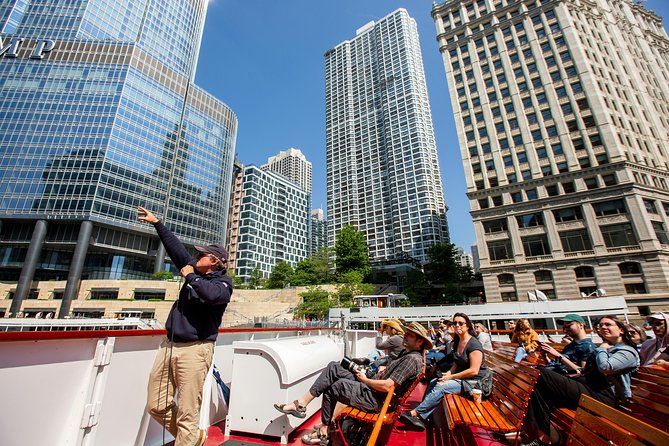
Yes, if you want a fast, useful introduction to Chicago’s architecture. The river view is the main reason to go, but the guide turns that view into a story about fire, engineering, ambition, and urban change.
Book it early in your Chicago stay if possible. You will recognize the buildings afterward, and the cruise can help you decide where to spend the rest of your time. Arrive early, verify the departure point, sit near the guide, and dress for the wind. At $39, this is one of the better ways to get your bearings and see the city from its most revealing angle.
FAQ
How long is the Chicago Architecture River Cruise?
The cruise lasts about one hour to 90 minutes. From November 14, 2025 through April 2026, tours are scheduled to last 60 minutes.
How much does the cruise cost?
The listed price is $39 per person.
Where does the cruise depart?
Depending on the option selected, the boat departs from Navy Pier or Michigan Avenue.
Where does the cruise end?
The cruise returns to its starting point.
What buildings can I see from the boat?
You can see the Wrigley Building, John Hancock Center, Willis Tower, Marina City, Aqua, Tribune Tower, and many other Chicago buildings.
Is the tour offered in English?
Yes. The experience is offered in English with live commentary from an onboard guide.
Are dogs allowed on the boat?
Yes. The cruises are dog-friendly.
Is there a restroom on board?
Yes. The boats have full restrooms.
Can I buy food and drinks during the cruise?
Drinks are available for purchase, and the boats have a full bar. Snacks may also be available. WiFi is not included.
Can I cancel for a full refund?
Yes, if you cancel at least 24 hours before the experience start time. If poor weather causes the cruise to be canceled, you will be offered another date or a full refund.
Just added on the water around Chicago
- City Cruises Chicago: Seadog Lakefront Speedboat Ride★ 4.4 · 642 reviews
- City Cruises Chicago: Premier Lunch or Dinner Cruise★ 4.3 · 334 reviews
- City Cruises Chicago: 75-min Speedboat Architecture Cruise★ 4.5 · 268 reviews
- Chicago: Shoreline Lake Michigan Skyline Cruise★ 4.6 · 758 reviews
- Chicago by Night River and Lake Cruise★ 4.6 · 791 reviews
- Chicago: Narrated Sightseeing River and Lake Cruise★ 4.7 · 268 reviews
- Chicago: Fireworks Cruise with Lake or River Viewing Options★ 4.3 · 551 reviews
- Chicago: Architecture Center Cruise on Chicago’s First Lady★ 4.7 · 456 reviews
River Cruises, side by side.

Paris: 1-Hour Seine Cruise departing from the Eiffel Tower
Read our review →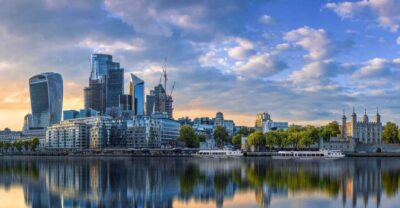
London: Westminster to Greenwich River Thames Cruise
Read our review →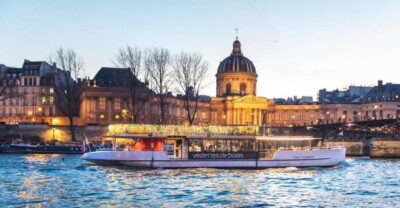

From Porto: Douro Valley w/ Boat Tour, Wine Tasting & Lunch
Read our review →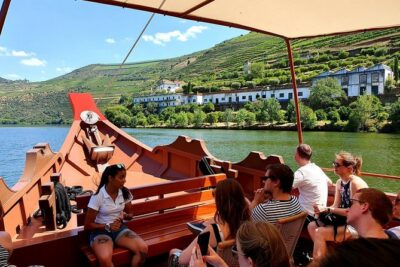
Complete Douro Valley Wine Tour with Lunch, Wine Tastings and River Cruise
Read our review →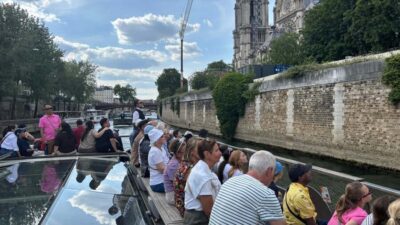
Paris: Illuminations River Cruise with Audio Commentary
Read our review →

Paris: Seine Cruise & Crepe Tasting near the Eiffel Tower
Read our review →Other lists this boat trip sits in